


- Abuse & The Abuser
- Achievement
- Activity, Fitness & Sport
- Aging & Maturity
- Altruism & Kindness
- Atrocities, Racism & Inequality
- Challenges & Pitfalls
- Choices & Decisions
- Communication Skills
- Crime & Punishment
- Dangerous Situations
- Dealing with Addictions
- Debatable Issues & Moral Questions
- Determination & Achievement
- Diet & Nutrition
- Employment & Career
- Ethical dilemmas
- Experience & Adventure
- Faith, Something to Believe in
- Fears & Phobias
- Friends & Acquaintances
- Habits. Good & Bad
- Honour & Respect
- Human Nature
- Image & Uniqueness
- Immediate Family Relations
- Influence & Negotiation
- Interdependence & Independence
- Life's Big Questions
- Love, Dating & Marriage
- Manners & Etiquette
- Money & Finances
- Moods & Emotions
- Other Beneficial Approaches
- Other Relationships
- Overall health
- Passions & Strengths
- Peace & Forgiveness
- Personal Change
- Personal Development
- Politics & Governance
- Positive & Negative Attitudes
- Rights & Freedom
- Self Harm & Self Sabotage
- Sexual Preferences
- Sexual Relations
- Sins
- Thanks & Gratitude
- The Legacy We Leave
- The Search for Happiness
- Time. Past, present & Future
- Today's World, Projecting Tomorrow
- Truth & Character
- Unattractive Qualities
- Wisdom & Knowledge


FOLLOWERS
0
Users
Relationships Sundays
Leaders
If you’ve got some exceptional leaders in your life, you are a very blessed person.
Most people have experienced poor leadership at some point in their lives. Whether it’s a bad boss or manager at a job, poor leadership on a committee or counsel, or maybe even a parent that lacked the capacity to lead their home, poor leaders can have a very negative impact on us!
Conversely, a great leader can positively influence us in amazing ways!
I have been fortunate enough to have had some incredible leaders in my life. These were/are people who were transparent enough that everyone was informed; however, their transparency did not impart the emotional weight of any situation onto the subordinates.
These great leaders knew how to inspire and how to motivate me and others, even when a job or task was not enjoyable.
One of my favorite examples that I’ve experienced of great leadership was someone who lived by example. They were the very definition of walking the talk. In this particular example, the leader was in the face of a very difficult situation, yet they did not let the circumstances interfere with their integrity.
In fact, when I think of great leaders, I think first and foremost of people with integrity. These are people who are willing to do what is unpopular or against the grain simply because it is the right thing to do.
I strive to be a good leader in the many different roles that I have. Integrity is at the very top of my list because I believe that congruency in what I say and how I live is of the utmost importance. I’m certainly not always perfect, but I’m striving to lead by example and to give people the benefit of the doubt.
What do you think is the most important trait for a great leader to possess?
Interesting Fact #1
Everyone has the ability to lead. Leadership isn’t a trait you’re born with—it’s a skill that can be developed over time. Great leaders constantly work to improve their abilities and adapt to new challenges. Whether you’re naturally outgoing or more reserved, with dedication and practice, you can hone your leadership skills.
Interesting Fact #2
Leaders exist at all levels of an organization. Effective organizations need leaders at every level, not just in the C-suite. Whether you’re managing a small team or contributing to a project, leadership is about taking initiative, being responsible, and guiding others toward a common goal.
Interesting Fact #3
Leadership is more about having the right attitude than formal education. While education can be helpful, the best leaders often develop their skills through experience, mentorship, and a commitment to personal growth. A degree isn’t a prerequisite for leadership—what matters most is the ability to inspire and motivate others.
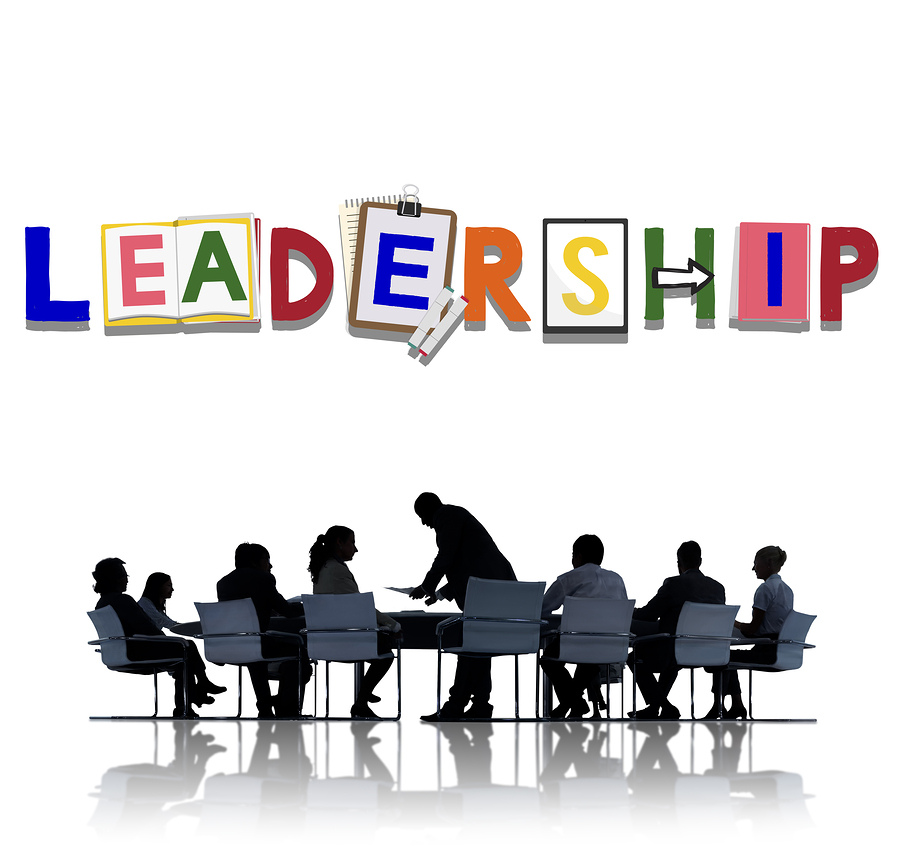
Quote of the day
“Success is not how high you have climbed, but how you make a positive difference to the world.” ― Roy T. Bennett
Article of the day - What Makes A Good Leader? 10 Essential Qualities To Learn
From clear communication to respecting others, developing these traits can help you manage more effectively—at every level.
In today’s fast-paced, technology-driven world, strong leadership is more important than ever. But what makes a good leader? And how does strong leadership impact the workplace? Some of the answers—from avoiding popularity contests to advancing your education through a management degree program—may surprise you.

1. They communicate clearly. Managing a group, especially in the workplace, starts with good communication. Whether writing an e-mail or providing face-to-face employee feedback, good leaders say what they mean and mean what they say. They’re not passive-aggressive, nor do they shy away from addressing challenges in a direct manner.
2. They’re passionate about their work. Many good leaders love what they do, and they’re not afraid to show it. Of course, you can still be a good leader even if your professional and personal interests aren’t a perfect match. Think about what you enjoy most in your work, and develop your enthusiasm around that—you even may find that you’re managing yourself into greater workplace satisfaction.
3. They don’t care about being popular. In fact, if your first concern is whether everyone likes you, you may be less effective. Whether it’s giving tough criticism or pointing out a practice you believe is unethical, learning how to be a good leader means getting comfortable doing or saying things that are best for your team and your organization, even if it makes you temporarily unpopular.
4. They keep their minds open. Another characteristic of a good leader: Remaining receptive to new ideas. Instead of resisting change, good leaders are flexible and highly adaptable. They’re approachable, and they welcome opinions different from their own.
5. They work for their employees. Managers may answer to higher-ups, but good leaders know their real mission is to ensure their employees have the resources to do their jobs as efficiently and effectively as possible—and the direct support they need to thrive in the work environment.
6. They’re positive and encouraging. Good leaders are uplifting. They praise employees for a job well done, taking time to coach and train if there are lapses in performance. In good times and bad, good leaders bring out the best in their employees by encouraging them to be their very best.
7. They respect others. From direct reports and peers to clients and their own higher-ups, good leaders treat others as they’d want to be treated. Those they lead often follow suit, creating stronger morale throughout the workplace.
8. They build relationships. The ability to form productive connections is a key quality of a good leader. Strong managers aren’t threatened by others. Instead of guarding their territory, they’re constantly building bridges with others. A good leader knows the value of mutually beneficial relationships, and actively seeks them out.
9. They lead by example. The best managers know that an essential part of what makes a good leader is setting the right example. From putting in extra hours on a major project to treating others with respect and kindness, good leaders show they’re ready and willing to do anything they’d ask of their employees.
10. They never stop learning. Perhaps the most important characteristic of good leaders is that they’re continuous learners. They put their education first, whether through formal learning like building their skills through management degree programs or through day-to-day attention to other departments and roles. A good leader always wants to know more.
If you’re a good manager who wants to become a great manager, but fear you don’t have the time to invest in a management degree program, consider an online business management degree. Accredited online colleges and universities are designed for busy professionals, enabling them to pursue management degree programs while balancing work and family commitments.
Walden also offers a self-paced professional development learning path through its School of Lifelong Learning, entitled Meeting the Leadership Challenge. Comprised of seven micro-courses, Meeting the Leadership Challenge will allow you to explore your individual leadership strengths and learn ways to improve as a leader.
Walden University is an accredited institution offering online business management degrees and certificates, all created to help take your career to the next level—and make you an even better leader in your workplace and in your chosen field.
Question of the day - What do you think is the most important trait for a great leader to possess?
Other Relationships
What do you think is the most important trait for a great leader to possess?
Daily archives
Current Survey
Top 5 Contributors (Dec)

20209 pts

12060 pts

10714 pts

10417 pts

10117 pts