


Dry eye is one of the most common eye conditions people experience today, affecting comfort, clarity, and overall eye health. Whether caused by lifestyle habits, environment, or underlying medical issues, dry eye can significantly impact your daily life if left untreated. Understanding what triggers dry eye and how to manage it is the first step toward long-term relief.
💧 What Is Dry Eye?
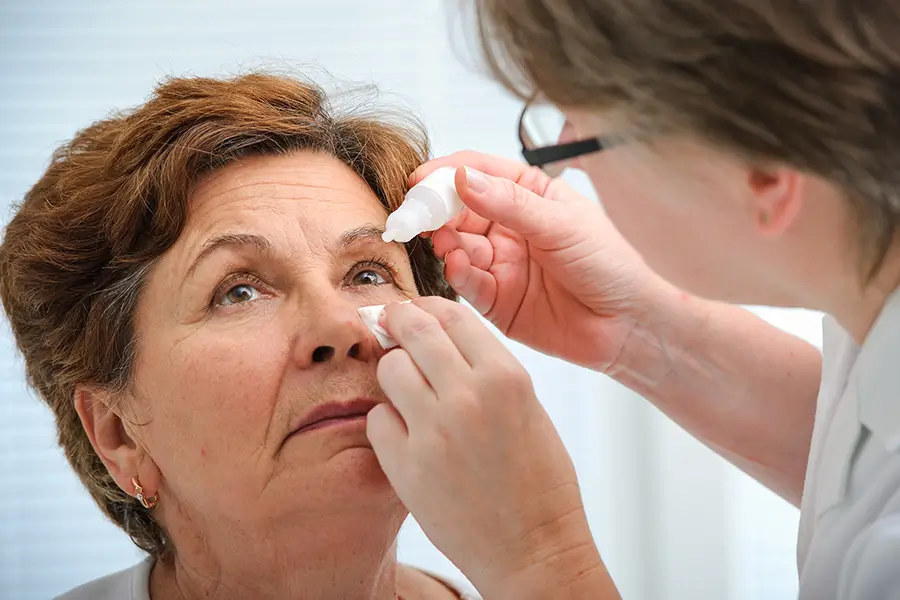
Dry eye occurs when your eyes don’t produce enough tears or when the tears they do produce evaporate too quickly. Tears are essential for keeping your eyes lubricated, nourished, and protected. When this delicate system becomes imbalanced, discomfort and visual problems often follow.
This condition can affect anyone, but it becomes more common with age, prolonged screen use, and certain environmental exposure.
🔍 Common Causes of Dry Eye
Dry eye can develop for many different reasons. The most frequent causes include:
🖥️ Digital Screen Use
Staring at screens reduces your blinking rate, leading to tear evaporation and dryness.
🌬️ Environmental Factors
Wind, smoke, air conditioning, and dry climates can all disrupt normal tear production.
🧬 Aging
Tear production naturally declines with age, especially in adults over 50.
👁️ Contact Lens Wear
Contacts can interfere with the tear film, causing irritation or dryness.
💊 Medications
Some medications—such as antihistamines, antidepressants, and blood pressure drugs—can decrease tear production.
🩺 Medical Conditions
Autoimmune diseases, thyroid disorders, and diabetes can all contribute to chronic dry eye.
Identifying the cause helps your eye doctor develop a treatment plan that brings real relief.
😣 Symptoms You Shouldn’t Ignore
Dry eye can range from mild and occasional to severe and persistent. Common symptoms include:
- Burning or stinging sensation
- Redness or irritation
- Watery eyes (a response to dryness)
- Feeling like something is stuck in your eye
- Light sensitivity
- Blurry or fluctuating vision
- Discomfort while wearing contact lenses
If you experience these symptoms regularly, it may be time to schedule a professional evaluation.
🩺 What Happens During a Dry Eye Exam?
A dry eye evaluation involves more than just checking vision. Your eye doctor will assess tear quality, production, and the health of the glands responsible for lubrication.
🔬 Tear Film Analysis
This shows whether your tears are evaporating too quickly or missing essential oils.
📏 Tear Production Measurement
Tests like the Schirmer test measure how much moisture your eyes naturally produce.
📸 Meibomian Gland Imaging
These glands produce the oily layer of your tears. Imaging helps determine if they’re blocked or unhealthy.
💡 Surface Evaluation
Your doctor examines the cornea and eyelids to identify inflammation or damage.
These detailed tests help pinpoint the exact type of dry eye you’re experiencing.
💊 Effective Treatments for Dry Eye
Relief often requires a combination of professional care and at-home habits. Your treatment plan may include:
💧 Artificial Tears
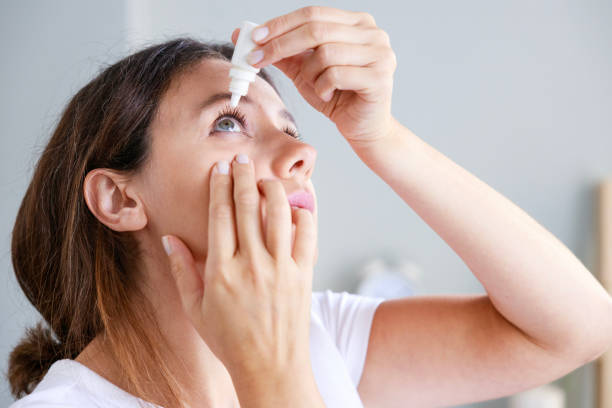
Lubricating drops help restore moisture and provide quick, temporary relief.
🧴 Warm Compresses
Compresses help open blocked glands, allowing healthy oils to flow into your tears.
🩹 Lid Hygiene
Cleaning your eyelids regularly can reduce inflammation and improve tear quality.
🔦 In-Office Procedures
Treatments like thermal gland therapy or light-based therapy may be recommended to improve oil production.
💊 Prescription Medications
Certain prescriptions can reduce inflammation and increase natural tear production.
🌿 Lifestyle Adjustments
Increasing hydration, improving your workspace setup, and reducing screen time can make a big difference.
🛡️ How to Prevent Dry Eye Daily
Even with treatment, small daily habits help maintain moisture and comfort:
- Take regular breaks during screen use (follow the 20-20-20 rule)
- Use a humidifier in dry environments
- Wear sunglasses outdoors to protect against wind
- Stay hydrated by drinking plenty of water
- Avoid smoking or smoky environments
- Choose contact lenses designed for dry eye sufferers
Consistency is key to long-term relief.
🎯 Conclusion
Dry eye is uncomfortable, but it doesn’t have to limit your daily life. With proper diagnosis, personalized treatment, and healthy habits, you can restore comfort and protect your vision. If you’re struggling with recurring dryness or irritation, the dedicated team at Tennessee Eye Care is ready to help you find lasting relief and clarity.
Comments