


Zero knowledge proof crypto is emerging as one of the most important breakthroughs shaping the next era of blockchain innovation. As demand increases for secure, private, and scalable blockchain systems, ZKP-based architectures are becoming a core component of modern crypto networks. This article offers a clear, structured, and informative explanation of how ZKP technology functions, why it matters, the ecosystems building around it, and what readers can expect as the technology evolves. You’ll find a full breakdown of the technology, real use cases, tokenomics insights, key benefits, potential challenges, and a forward-looking roadmap for the future of ZKP-powered blockchain development.
Introduction: What You Will Learn About Zero Knowledge Proof Crypto in 2025
Zero knowledge proof crypto refers to blockchain platforms and protocols that rely on ZKP mechanisms to validate data and transactions without exposing sensitive information. As the industry shifts toward more privacy-centric infrastructure, ZKP has become essential for enabling trustless yet confidential interactions. In this article, readers will learn how ZKP systems work on a technical level, how they are being applied across Web3, and why they represent a major turning point in blockchain evolution.
Understanding the Role of Zero Knowledge Proof Crypto in Modern Blockchain
The primary mission of ZKP technology is to enable verification without disclosure. Traditional digital systems often require sharing personal information, wallet activity, or identity credentials to prove legitimacy. This exposes users to risk and increases opportunities for data leaks or unauthorized access.
Zero knowledge proof crypto eliminates this requirement by proving validity through cryptographic proofs rather than exposing underlying data. This approach supports private transactions, secure authentication, and more efficient blockchain activity. As a result, ZKP-enabled networks are becoming foundational components across DeFi, decentralized identity, and Web3 infrastructure.
How ZKP Works in Crypto Networks
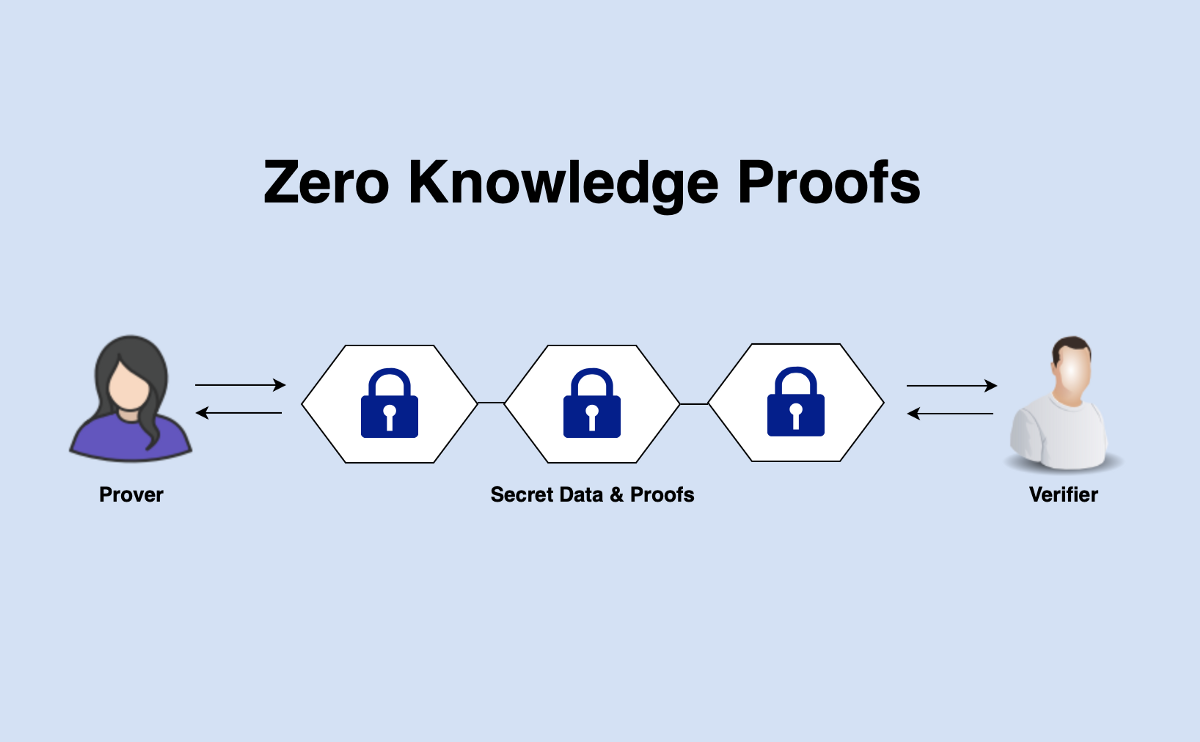
While ZKP mathematics is complex, the fundamental idea is easy to grasp:
- A prover demonstrates truth.
- A verifier confirms the truth.
- The actual data remains hidden.
ZKP systems used in blockchain typically come in two formats:
Interactive Proofs
Where the prover and verifier communicate back and forth—useful but impractical for blockchains that need speed.
Non-Interactive Proofs (NIZKs)
Where a single proof is created and verified by anyone. These are widely used in zero knowledge proof crypto because they’re efficient and scalable.
Common systems include zk-SNARKs, zk-STARKs, Bulletproofs, and Halo proofs, each offering different trade-offs in performance, transparency, and security.
Key Features and User Benefits of ZKP-Based Blockchain Systems
Zero knowledge proof crypto delivers significant advantages for decentralized systems:
1. Better Privacy Without Losing Transparency
Transactions and identity proofs become verifiable without exposing private details.
2. Massive Scalability Gains
ZK rollups aggregate thousands of transactions into one proof, reducing gas fees and on-chain load.
3. Stronger Security for Everyday Users
Less data exposure means fewer attack opportunities for hackers.
4. Compliance Without Oversharing
Users can meet regulatory requirements without revealing personal documents or financial data.
5. Flexibility Across Web3 Use Cases
ZKP works in DeFi, gaming, identity, payments, AI verification, enterprise blockchain, and more.
These benefits make ZKP essential for delivering secure, scalable, and user-friendly blockchain applications.
Tokenomics in ZKP-Powered Crypto Projects
ZKP-based blockchains often use native tokens to support ecosystem activity. Transparent tokenomics typically include:
- Total Supply: A capped or predefined limit.
- Distribution: Allocations for validators, development teams, community rewards, and investors.
- Utility:
- Staking
- Paying for proof generation
- Governance voting
- Powering ZK rollups
- Accessing ZK-enabled services
Projects with clear, well-structured tokenomics demonstrate stability, sustainability, and long-term value.
Real-World Use Cases Built on Zero Knowledge Proof Crypto
ZKP technology is already implemented in multiple sectors, including:
- Private cryptocurrencies like Zcash
- ZK-rollups on Ethereum for high-speed, low-cost transactions
- Decentralized ID systems that offer private authentication
- Confidential DeFi platforms where transactions remain hidden
- DAO governance voting with fully private ballots
- AI verification tools where models remain confidential
These real applications prove that ZKP is much more than a privacy tool—it’s a foundation for advanced and secure blockchain infrastructure.
Advantages and Challenges of ZKP Systems
To remain credible, ZKP-based blockchains must acknowledge both strengths and weaknesses.
Key Advantages:
- Powerful privacy protections
- Reduced transaction costs
- High scalability potential
- Improved user safety
Challenges:
- High computational requirements for some systems
- Complexity for new developers
- Need for better standards and interoperability
- Increasing competition among proof systems
Despite these challenges, rapid research and innovation continue to improve ZKP accessibility and performance.
Roadmap for Zero Knowledge Proof Crypto Development
The next wave of ZKP advancement will focus on:
- Faster and cheaper proof generation
- Wider adoption of ZK-rollups across major L1s
- Mainstream decentralized identity systems
- Better developer tooling
- Integration with AI, IoT, and enterprise systems
- Global standardization for cross-chain ZK systems
These improvements will make ZKP technology more accessible, efficient, and user-friendly at scale.
Conclusion: Why Zero Knowledge Proof Crypto Will Shape the Future of Blockchain
Zero knowledge proof crypto represents a fundamental shift in how blockchain networks balance privacy, security, and scalability. By enabling verification without disclosure, ZKP technology creates a safer, more efficient, and more private Web3 environment. As adoption spreads across DeFi, identity, AI, and large-scale blockchain infrastructure, ZKP systems will continue to drive next-generation innovation and define the future of modern decentralized networks.
Comments