


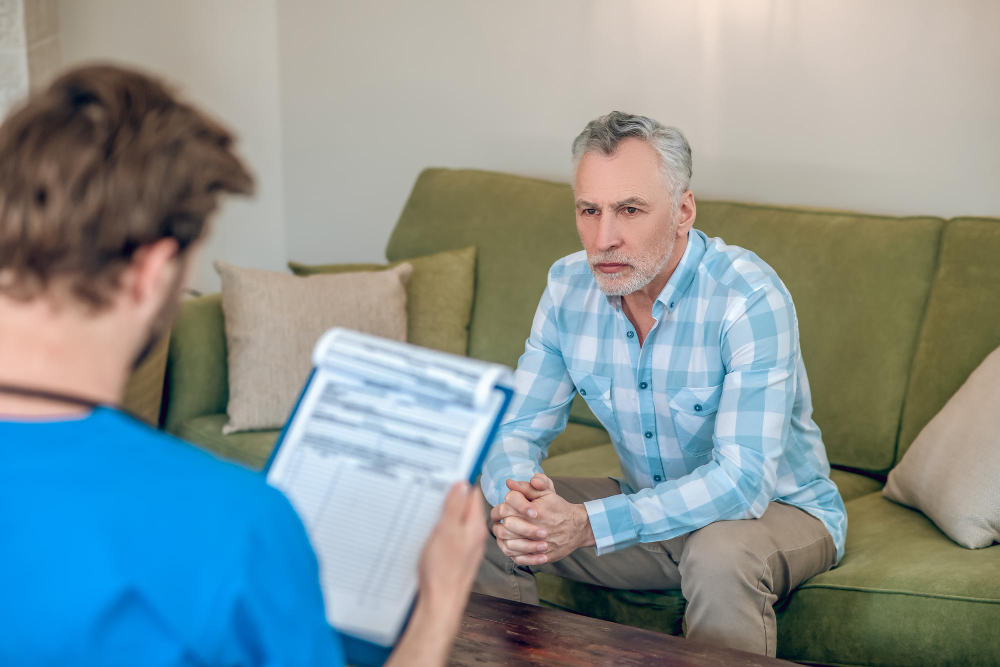
As America’s senior population grows, the need for accessible, high-quality mental health care becomes more critical than ever. Many older adults struggle with conditions such as depression, anxiety, loneliness, chronic illness, grief, and cognitive challenges. Yet despite the importance of mental health care, countless seniors face barriers that make in-person therapy difficult—or even impossible.
For homebound older adults, teletherapy has become a life-changing solution. By delivering mental health support through video sessions or phone calls, teletherapy opens the door for seniors to receive consistent, compassionate care without leaving home. Combined with traditional senior counseling services, teletherapy helps aging adults stay connected, emotionally supported, and better equipped to navigate the challenges that come with later life.
This article explores how teletherapy expands mental health access for seniors, why it’s such an essential tool for homebound individuals, and how it enhances overall well-being.
Eliminating Transportation and Mobility Barriers
One of the greatest challenges seniors face in accessing therapy is transportation. Many older adults no longer drive, rely on caregivers for rides, or struggle with mobility issues that make travel uncomfortable or unsafe. Conditions such as arthritis, chronic pain, and balance problems can turn a simple visit to a counseling office into a stressful ordeal.
Teletherapy eliminates these barriers by allowing seniors to receive support directly from home. There’s no need for transportation arrangements, long car rides, or concerns about the weather. The simplicity of logging into a session—even on a basic smartphone—makes mental health care more attainable than ever before. For many homebound adults, this shift is the difference between going without support and receiving the help they truly need.
Creating a Comfortable, Familiar Environment
Many seniors feel more at ease in familiar surroundings. Clinical or office settings may feel intimidating, especially for individuals facing anxiety, grief, or cognitive decline. Teletherapy allows seniors to participate in counseling while seated in their favorite chair, surrounded by comforting elements of their home.
This sense of comfort makes it easier for them to open up, communicate openly, and engage in meaningful therapeutic conversations. When seniors feel safe, supported, and relaxed, therapy becomes significantly more effective.
Supporting Seniors with Health Limitations
A significant portion of the older adult population deals with chronic health conditions that make attending in-person therapy difficult. Those recovering from surgery, experiencing fatigue, or managing immune-compromising illnesses may simply not be able to leave home.
Teletherapy is ideal for:
- Seniors recovering from medical procedures
- Adults with chronic pain
- Homebound or bedbound individuals
- Immunocompromised seniors
- Those with limited stamina
With teletherapy, no one has to sacrifice mental health support because of physical challenges. Help is available no matter the senior’s mobility or health limitations.
Ensuring Consistent, Reliable Mental Health Care
Consistency is essential in mental health treatment, especially for older adults who may face emotional ups and downs. Teletherapy makes it easier for seniors to maintain regular appointments, even when unexpected challenges arise—such as bad weather, caregiver unavailability, illness, or low-energy days.
By ensuring consistent support, seniors can build long-term resilience, develop coping strategies, and maintain emotional balance throughout life’s transitions.
Expanding Access to Specialized Geriatric Counselors
Not every community has counselors trained in the unique needs of older adults. Seniors in rural areas, small towns, or underserved communities may struggle to find professionals who understand age-related challenges, such as dementia-related concerns, grief, chronic illness, and late-life transitions.
Teletherapy connects seniors with licensed professionals specializing in geriatric mental health—regardless of geographic location. Instead of settling for whoever is closest, seniors can receive care from providers who are best equipped to support their needs.
Offering Flexible Scheduling to Fit Seniors’ Routines
Seniors often have fluctuating energy levels, caregiving schedules, or medication routines. Teletherapy makes scheduling easier, offering flexibility that helps seniors and families find times that work best for them. This flexibility reduces stress and makes therapy feel more manageable and accessible.
Reducing Stigma and Protecting Privacy
Older generations often grew up during a time when mental health care carried stigma. Some seniors may resist visiting a counseling office for fear of being judged or misunderstood. Teletherapy offers a private, discreet alternative that helps eliminate shame or hesitation. Seniors can receive professional care without leaving home, providing a sense of emotional safety and dignity.
Supporting Family Involvement When Needed
Family members and caregivers often play an essential role in senior mental health. Teletherapy makes it easier for them to join sessions when appropriate, whether to share updates, ask questions, or learn how to best support their loved one. This collaborative approach helps strengthen the seniors’ support system and enhances therapy outcomes.
Improving Emotional Wellness and Quality of Life
Teletherapy supports seniors dealing with:
- Depression
- Anxiety
- Chronic stress
- Grief and loss
- Cognitive changes
- Loneliness and social isolation
Homebound seniors often feel disconnected from the world, but teletherapy helps them stay emotionally engaged and supported. Regular sessions can boost mood, reduce feelings of isolation, and help seniors maintain a stronger sense of purpose and connection.
How Senior Counseling Services and Senior Teletherapy Work Together
Blending Traditional Support With Modern Convenience
The combination of senior counseling services and senior teletherapy creates a powerful, flexible mental health solution for aging adults. While traditional counseling provides deeply personalized guidance on issues such as grief, anxiety, and life transitions, teletherapy removes physical barriers that make accessing care difficult. Together, they offer seniors consistent emotional support, accessible therapeutic tools, and a reliable way to receive professional guidance—no matter where they live or what mobility challenges they face.
Conclusion
Teletherapy has transformed the landscape of senior mental health care. For homebound older adults, it provides a lifeline to consistent, compassionate support that once felt out of reach. By combining convenience, comfort, and accessibility, senior teletherapy ensures seniors receive the emotional care they need to age with confidence, dignity, and connection.
As technology continues to evolve, teletherapy will remain an essential tool in expanding mental health access for older adults—helping seniors everywhere live healthier, more emotionally supported lives.
Comments