


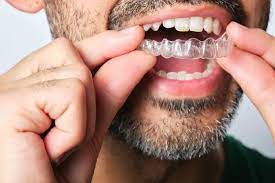
Once braces or aligners complete their job of straightening your teeth, the next and equally important phase begins—retention. Teeth naturally want to shift back to their original positions due to muscle pressure, daily use, and ongoing bone remodeling. This is why wearing a retainer is not optional but a necessary step in the orthodontic journey. Without consistent retainer use, the months or years spent realigning your teeth can gradually reverse. This introduction sets the stage for understanding not only how long retainers must be worn but why they are essential for lasting results.
What the Treatment Is and How It Works, Importance of Treatment?
A Dental Retainers in Dubai is a custom-made device designed to hold your teeth in their corrected positions after orthodontic treatment. When braces or clear aligners move your teeth to new or improved positions, the tissues that support your teeth—such as the periodontal ligament and bone—require time to stabilize. During this period, teeth can shift back if not supported. Retainers prevent this by keeping teeth firmly in place until the bone fully settles.
Wearing a retainer is important because alignment does not become permanent immediately after orthodontic work. Even after stabilization, the natural aging process can cause subtle changes in teeth positioning, making long-term or even lifelong retention ideal. Retainers maintain the aesthetic results achieved and preserve bite functionality. This step is critical for long-term orthodontic success, ensuring that the improvements last and the smile remains stable.
Types of Treatment, Preparation:
Retainers come in different types, each serving a specific purpose, and the choice depends on your long-term orthodontic needs and lifestyle.
Removable retainers are the most common and include clear plastic retainers and acrylic-and-wire models. Clear retainers fit snugly over the teeth and are nearly invisible, making them ideal for adults and teens who prefer a discreet solution. Acrylic retainers with wires are durable and easy to adjust. Permanent retainers, on the other hand, involve a thin wire bonded to the back of the teeth. They provide continuous retention without requiring daily removal, making them ideal for individuals at higher risk of shifting.
Preparing for a retainer is simple. After orthodontic treatment is completed, impressions or digital scans of your teeth are taken. These are used to create a precise, custom-fitted appliance. Once the retainer is ready, you receive guidance on how long to wear it, how to clean it, and how to handle it safely. This preparation ensures that the retainer fits comfortably and begins working immediately.
Aftercare, Ideal Candidate, How to Choose the Right Clinic:
Aftercare is essential when using a retainer, as proper habits extend its lifespan and protect your alignment. Removable retainers should be cleaned daily using mild soap or recommended solutions. Hot water must be avoided because it can cause warping. Retainers should be stored in a protective case when not in use, and you should avoid wrapping them in tissues, as they can easily be thrown away. For fixed retainers, regular brushing and floss threaders help maintain oral hygiene and prevent plaque buildup.
The ideal candidate for retainer use is anyone who has completed orthodontic treatment—braces, clear aligners, or even minor cosmetic adjustments. Retainers are also suitable for individuals who have experienced minor shifts in their teeth and need subtle realignment maintenance.
Choosing the right clinic for retainer guidance requires careful consideration. Look for a clinic that provides clear treatment plans, offers follow-up support, and uses modern digital scanning technology. Dentists in Dubai that prioritize patient education and detailed aftercare instructions ensure the best long-term results. Rather than relying solely on search terms like the keywords listed above, prioritize clinics that demonstrate expertise in orthodontic retention and offer personalized retention strategies.
Risks and Benefits, FAQs:
Retainers come with minimal risks, but proper usage is essential to avoid complications. A retainer that is not worn as directed can result in teeth shifting back to previous positions. Removable retainers may become damaged if they are not stored properly, and fixed retainers require diligent cleaning to prevent plaque buildup. Discomfort is common at first but usually resolves quickly as the mouth adjusts.
The benefits of wearing a retainer, however, are extensive. Retainers protect the investment made in orthodontic treatment and maintain a straight, functional, and comfortable bite. They prevent relapse, enhance long-term jaw alignment, and ensure that the improvements achieved remain stable over time. Consistent use supports confident, lasting results.
FAQs:
How long should I wear my retainer each day?
Most people wear their retainers full-time at first, eventually transitioning to nighttime wear for life.
Can I ever stop wearing my retainer?
Orthodontists generally recommend lifelong nighttime wear to prevent shifting.
Will my retainer feel tight sometimes?
Yes, tightness indicates your retainer is working and that your teeth may have begun shifting.
What if my retainer no longer fits?
This may mean your teeth have moved. You should get a new retainer promptly.
Can I clean my retainer with toothpaste?
Toothpaste may be abrasive. Mild soap or approved solutions are better.
Is it okay to eat or drink with a retainer?
Removable retainers should be taken out before eating or drinking anything besides water.
What should I do if my retainer breaks?
A replacement should be arranged quickly to prevent tooth movement.
Conclusion:
Understanding how long you need to wear your retainer is essential for preserving the results of orthodontic treatment. Retainers protect your smile, maintain alignment, and provide long-term stability when used properly. Whether someone searches terms like Dental Clinic Near me, Dental Clinic Near me in Dubai, Dentists in Dubai, or Enfield Dental Clinic in Dubai, the most important takeaway is that consistent retainer use—especially nighttime wear—ensures that your teeth remain straight for life. With the right habits, regular care, and ongoing retention, you can enjoy a confident, well-aligned smile supported by the effective and long-lasting use of how long do I need to wear my retainer.
Comments