


Root canal treatment (RCT) is one of the most commonly misunderstood procedures in modern dentistry. Often associated with pain and discomfort, many people avoid this treatment due to fear or misinformation. However, understanding what a root canal really involves and the potential benefits it offers can change the way you view this essential dental procedure.
In this blog, we’ll walk you through everything you need to know about root canal treatment, debunk common myths, present key facts, and highlight the long-term benefits of this procedure.
What is a Root Canal?
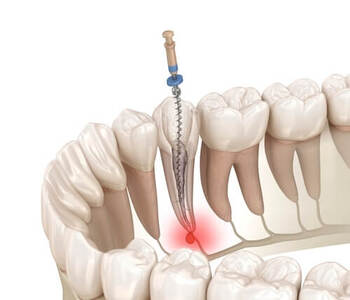
A root canal is a dental procedure used to treat an infected or severely damaged tooth. The term “root canal” refers to the natural cavity within the center of the tooth. Inside this cavity is the pulp, a soft tissue that contains nerves and blood vessels. If the pulp becomes infected due to deep decay, a crack, or trauma to the tooth, a root canal may be necessary to save the tooth.
During the treatment, the dentist or endodontist removes the infected pulp, cleans and disinfects the inside of the tooth, and then fills it with a special material to seal it. The tooth is then restored, typically with a crown, to ensure it functions properly.
Myths About Root Canal Treatment
Before we dive into the facts, let’s address some of the most common myths about root canals that often prevent people from seeking the treatment they need.
Myth 1: Root Canal Treatment is Extremely Painful
One of the biggest misconceptions about root canals is that they are very painful. The truth is, most patients report feeling little to no pain during the procedure. Thanks to modern anesthetics and advanced techniques, root canal treatments are generally no more painful than having a regular filling. In fact, the procedure is designed to alleviate the intense pain caused by the infection or injury to the tooth.
Myth 2: Root Canals Cause Illness
Some people believe that root canals can lead to systemic illnesses like heart disease, cancer, or autoimmune conditions. However, this myth has been debunked by numerous studies. Root canal therapy is a safe, well-established procedure when performed by a trained dental professional. The American Dental Association (ADA) and other reputable health organizations have found no scientific evidence to support the claim that root canals cause illness.
Myth 3: A Root Canal Will Fail Eventually
While it’s true that no medical procedure is guaranteed to last forever, the success rate for root canal treatments is remarkably high. According to the American Association of Endodontists, over 95% of root canal procedures are successful and provide long-lasting results. With proper care and good oral hygiene, a tooth that has undergone a root canal can last many years, sometimes even a lifetime.
Myth 4: A Root Canal is Only Necessary for Severely Damaged Teeth
While root canal treatment is often used for severely decayed or cracked teeth, it can also be performed on teeth that are mildly damaged but still at risk of infection. If caught early, root canal therapy can help preserve the tooth before it deteriorates further.
If you’re experiencing persistent tooth pain or infection, seeking Emergency Root Canal Treatment in Faridabad can help prevent further damage and reduce the risk of complications. Vedant Dental Implant Centre in Faridabad is equipped with the latest technology to provide fast and effective root canal procedures, ensuring that you receive the best care possible when you need it most.
The Facts About Root Canal Treatment
Now that we’ve debunked some common myths, let’s look at the facts about root canal treatment.
Fact 1: Root Canal Treatment Saves Teeth
One of the most important facts to understand is that root canal treatment can save a tooth that would otherwise need to be extracted. Tooth extraction can lead to other dental complications, including misalignment of adjacent teeth, difficulty chewing, and changes to your facial appearance. By preserving the tooth, a root canal helps maintain the natural structure of your smile and the functionality of your bite.
Fact 2: Modern Technology Has Made Root Canals Safer and More Comfortable
Advancements in dental technology have significantly improved the root canal procedure. Dentists now use sophisticated imaging tools like digital X-rays and 3D scans to locate infections and plan the treatment with greater precision. Additionally, modern anesthesia and sedation options ensure that the procedure is as comfortable as possible for the patient.
Fact 3: Root Canal Treatment Can Be Done in One or Two Visits
Depending on the severity of the infection and the complexity of the tooth, a root canal can often be completed in a single visit. In some cases, a follow-up appointment may be required to place a crown or other restoration. Many dental offices now offer same-day treatments with advanced technology like CEREC (Chairside Economical Restoration of Esthetic Ceramics), which allows for the creation of crowns in a single visit.
Fact 4: Root Canals Are Highly Successful
Root canal treatment boasts an impressive success rate of over 95%. The procedure involves removing the infected or damaged pulp, thoroughly cleaning the root canals, and sealing the space. Afterward, the tooth is protected with a crown, reducing the chances of further infection or damage. With proper aftercare, the tooth can function normally for many years.
The Benefits of Root Canal Treatment
Root canal treatment offers a wide range of benefits beyond just relieving pain. Let’s explore the key advantages of getting a root canal.
Benefit 1: Pain Relief
For many people, the most immediate benefit of root canal therapy is the relief from the intense pain caused by an infected tooth. Once the infection is removed, most patients experience a significant reduction in discomfort.
Benefit 2: Preservation of the Tooth
As mentioned earlier, a root canal allows you to save a tooth that might otherwise require extraction. By preserving your natural tooth, you avoid the need for more complex and expensive procedures like dental implants or bridges, which may be necessary after tooth loss.
Benefit 3: Improved Oral Health
By eliminating infection and sealing the tooth, root canal therapy helps prevent the spread of bacteria to other teeth and areas of the mouth. This helps to improve your overall oral health and reduce the risk of further dental complications.
Benefit 4: Restored Functionality
After the procedure, your tooth can function just like any other tooth. You can eat, speak, and smile with confidence, knowing that your tooth is no longer compromised. A crown placed after the treatment will help restore strength to the tooth and improve its appearance.
Conclusion
Root canal treatment is an effective and reliable way to save a damaged or infected tooth. Contrary to common misconceptions, the procedure is typically painless, safe, and highly successful. By debunking myths and understanding the facts, you can make an informed decision about whether root canal therapy is right for you.
If you’re experiencing persistent tooth pain, sensitivity, or signs of infection, it’s important to consult with a dentist or endodontist to determine if a root canal is necessary. Early treatment can save your tooth and help you avoid more serious dental issues down the road. Remember, the goal is to preserve your natural smile and maintain your oral health for years to come!
Comments