


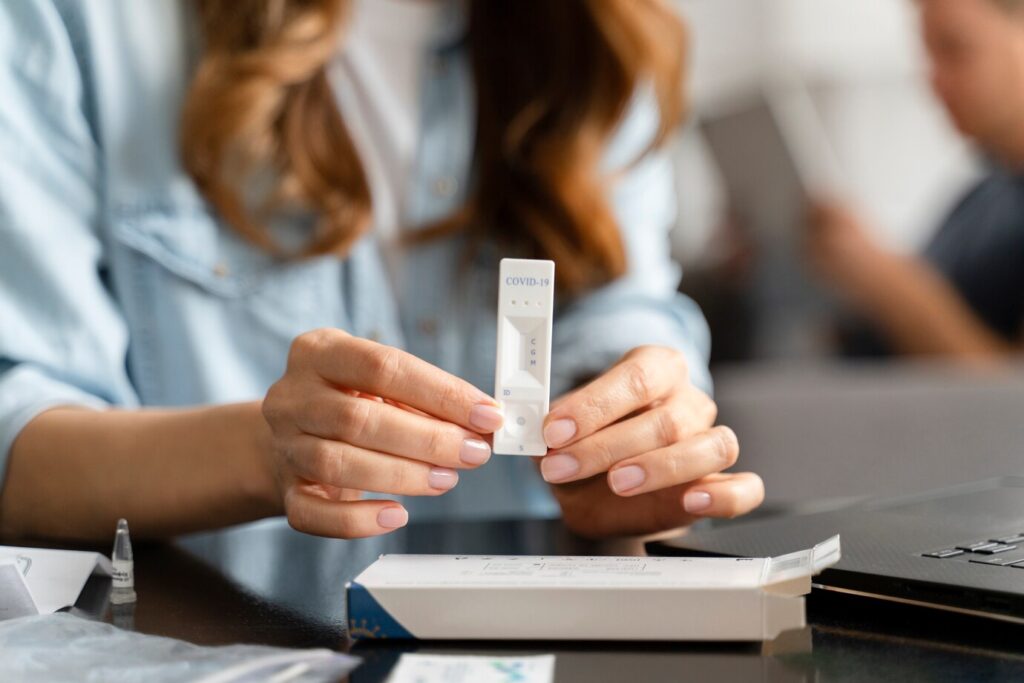
Understanding sexual health is a crucial part of overall well-being, and comprehensive STD testing plays an essential role in detecting infections early. A comprehensive STD test panel is designed to screen for multiple sexually transmitted diseases in one visit, providing a thorough overview of an individual’s sexual health. This approach allows for early detection and informed decisions, promoting both personal and public health.
What a Comprehensive STD Test Panel Covers
A comprehensive STD Test Dubai panel typically includes tests for the most common sexually transmitted infections. These infections can affect anyone who is sexually active and may not always show noticeable symptoms. Early detection through a panel ensures that infections can be addressed promptly, reducing potential complications.
HIV Testing
HIV is a virus that attacks the immune system, and early detection is critical for effective management. A comprehensive STD test panel usually includes HIV screening through blood tests. Detecting HIV early can help individuals take steps to maintain their immune health and prevent transmission to others.
Syphilis Screening
Syphilis is a bacterial infection that progresses in stages and can lead to serious health issues if untreated. The comprehensive panel tests for syphilis through blood samples, identifying infections even in the absence of visible symptoms. Early treatment can prevent long-term complications and improve overall health outcomes.
Gonorrhea and Chlamydia Tests
Gonorrhea and chlamydia are common bacterial STDs that often do not present symptoms initially. A comprehensive panel usually includes urine or swab tests to detect these infections. Early identification is important for treatment and for preventing the spread to sexual partners.
Hepatitis B and C Screening
Hepatitis B and C are viral infections that affect the liver. Screening for these infections is an important component of a comprehensive STD test panel. Blood tests are used to detect the presence of these viruses, enabling timely intervention and reducing the risk of liver damage.
Herpes Simplex Virus (HSV) Testing
HSV-1 and HSV-2 are viruses responsible for oral and genital herpes. While symptoms like sores may appear, many individuals do not notice any signs. Comprehensive panels include tests for both types of HSV, usually through blood testing, providing clarity on potential infection even without visible outbreaks.
Trichomoniasis Testing
Trichomoniasis is a parasitic infection that can affect both men and women. It is often included in comprehensive STD panels to ensure thorough screening. Testing is generally performed using urine samples or swabs, detecting infections that might otherwise go unnoticed.
Human Papillomavirus (HPV) Screening
HPV is a widespread viral infection linked to genital warts and certain types of cancer. Comprehensive panels may include HPV testing, especially for individuals at higher risk. Early detection allows for monitoring and preventive measures to reduce the risk of complications.
How a Comprehensive Panel is Conducted
Comprehensive STD testing is designed to be convenient and efficient. Blood samples, urine samples, and swabs are commonly collected depending on the infections being screened. Laboratory analysis ensures accurate results, and individuals typically receive a detailed report outlining their status for each infection included in the panel.
Blood Tests
Blood tests are used for detecting HIV, syphilis, hepatitis, and HSV. A small blood sample is drawn and analyzed in a laboratory for the presence of antibodies or antigens related to each infection.
Urine and Swab Tests
Urine samples and swabs are commonly used to detect bacterial infections like gonorrhea and chlamydia, as well as parasitic infections like trichomoniasis. These tests are generally quick and straightforward, providing reliable results.
Why Comprehensive Testing Matters
Comprehensive STD testing is important for maintaining sexual health and overall wellness. It ensures that infections are identified early, even when no symptoms are present. Regular testing can help prevent complications, support healthy relationships, and protect partners from transmission.
Early Detection Benefits
Detecting infections early allows individuals to start treatment promptly, reducing the likelihood of severe health issues. It also helps in managing the spread of infections within the community, contributing to public health efforts.
Peace of Mind
Knowing one’s sexual health status provides reassurance and reduces anxiety related to potential infections. Comprehensive testing offers a clear picture, helping individuals make informed decisions about their sexual health and relationships.
Common Questions
What Infections Are Included?
A comprehensive STD panel typically screens for HIV, syphilis, gonorrhea, chlamydia, hepatitis B and C, HSV-1 and HSV-2, trichomoniasis, and sometimes HPV. The exact list can vary based on the testing service.
How Often Should Testing Be Done?
The frequency of testing depends on individual risk factors, including sexual activity and number of partners. Regular screening is recommended for sexually active individuals to ensure timely detection of any infections.
Are Tests Accurate?
Comprehensive panels are highly accurate when conducted in a laboratory setting. Blood, urine, and swab samples are analyzed using established methods, providing reliable results.
How Soon Are Results Available?
The turnaround time for results depends on the specific infections tested and laboratory procedures. Many comprehensive panels provide results within a few days, offering timely insights into one’s sexual health.
Can All Infections Be Detected Immediately?
Some infections have window periods, meaning they may not be detectable immediately after exposure. Comprehensive panels are designed to maximize detection, but repeat testing may be recommended if exposure occurred recently.
Comprehensive STD Test in Dubai panels are an essential tool for proactive sexual health management. By screening for multiple infections at once, these panels provide clarity, peace of mind, and the opportunity to take timely action to maintain wellness and protect partners. Regular testing and informed choices contribute to healthier relationships and a stronger approach to personal and public health.
Comments