


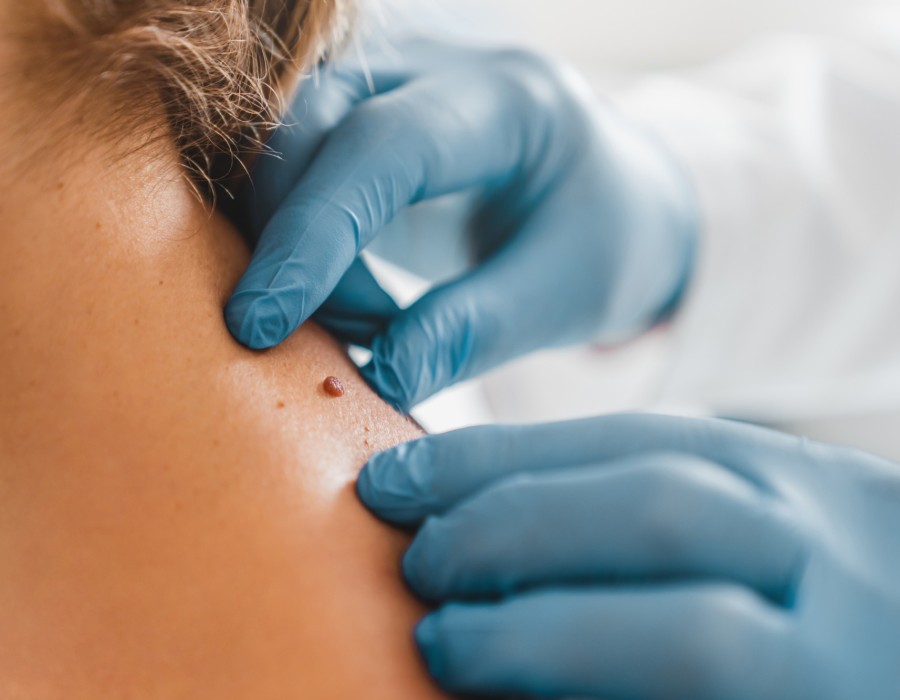
Many people have moles on their scalp, face, or other hair-bearing areas, which can lead to concerns about whether removing them might affect hair growth. This is especially important for individuals with moles located directly along the hairline or among dense hair follicles. People seeking Mole Removal In Dubai often want reassurance that the procedure will not harm the surrounding hair or create patches of thinning. While the impact on hair growth depends on the depth and method of removal, most modern techniques aim to preserve follicles and maintain natural hair appearance.
How Moles Affect Hair Growth Naturally
Some moles naturally contain hair follicles, which means hair may grow directly from them. These hairs are typically thicker and darker due to the concentration of pigment in the mole. In such cases, the mole itself is not damaging the hair follicle; instead, it simply sits around it. The presence of a mole does not necessarily mean the area is unhealthy, but its removal must be planned carefully to avoid affecting the follicle.
Does Removing a Mole Damage Hair Follicles?
Whether a mole removal affects hair growth largely depends on:
- The depth of the mole
- The removal technique used
- How close the mole is to active follicles
- How deeply the follicles themselves sit within the skin
Hair follicles are located deep within the dermis. If a mole is superficial, its removal is unlikely to harm them. However, deeper moles lie closer to follicle roots, and depending on the removal method, there may be a small risk of interruption to the hair growth cycle.
Hair Impact Based on Removal Technique
Different removal techniques have different effects on hair follicles. Understanding them helps patients make informed decisions.
Shave Removal and Hair Growth
Shave removal affects only the surface of the skin. Since it does not penetrate deep into the dermis, it typically does not disturb hair follicles. Hair around the area continues to grow normally afterward.
Surgical Excision and Hair Growth
Surgical excision removes the entire mole, including deeper tissues. This method may cut through follicles if they lie directly beneath the mole. As a result, a very small patch without hair might appear, but it is usually minimal and well-hidden, especially on the scalp.
Punch Excision
Punch excision removes a small circular area of skin including the mole. This method may remove follicles within that tiny circle, but the surrounding hair normally grows to cover the area quickly.
Laser Mole Removal
Laser removal targets pigmentation rather than follicles, meaning it rarely affects hair growth when used for appropriate mole types. However, it may not be recommended for deep moles.
Will Hair Grow Back After Mole Removal?
If the mole removal procedure affects only superficial layers of the skin, hair growth typically returns as normal. In cases where the follicles are removed or damaged during excision, the hair may not grow back in that exact spot. However:
- The area is usually small
- Surrounding hair blends naturally
- Hair loss is often unnoticeable once healing completes
The overall appearance remains natural, especially when the procedure is done carefully.
Can Removing a Mole Improve Hair Growth?
Some individuals experience irritation or discomfort around hairy moles. If the mole frequently catches on combs, razors, or brushes, removing it can make grooming easier and reduce inflammation. In rare cases, if the mole is causing tension on the surrounding hair, removing it may improve comfort and prevent hair breakage in that area.
Factors That Influence Hair Preservation
Several factors determine whether hair growth may be affected:
- Mole size – Larger moles may require deeper removal.
- Location – Eyebrows, beard areas, and scalp require extra precision.
- Mole depth – Deep moles lie closer to follicle roots.
- Technique – Carefully chosen methods protect surrounding follicles.
- Skill of practitioner – Precise work reduces the chance of hair loss.
With proper planning, unnecessary follicle damage can be prevented.
Healing After Mole Removal in Hair-Bearing Areas
After mole removal, the treated area may experience mild redness, scabbing, or sensitivity. As the skin heals, hair growth may appear slower around the site, but this usually resolves with time. Proper aftercare supports healthy healing:
- Avoid pulling or rubbing the area.
- Be gentle when combing or brushing.
- Do not use harsh hair products immediately after treatment.
- Keep the area clean and dry.
- Protect the skin from sun exposure.
Healing is generally smooth and quick due to the scalp’s strong blood supply.
Why Choose Mole Removal in Hair-Dense Areas Carefully?
Removing moles in hair-bearing areas requires precision to ensure natural results. An assessment helps determine the safest and most effective method and whether the mole sits near major follicles. This reduces the risk of visible hair thinning or scarring.
Dubai’s Expertise in Hair-Sensitive Mole Removal
Dubai is known for using advanced dermatological techniques designed to minimize trauma to the skin while achieving clean, precise mole removal. This is especially important in hair-dense areas like the scalp or beard. With modern tools and a focus on aesthetics, specialists in Mole Removal Dubai prioritize preserving natural hair patterns while ensuring complete and safe mole removal.
Conclusion
Mole removal can affect hair growth in certain cases, especially if deeper techniques are needed or if the mole lies directly over a hair follicle. However, with the right approach and professional guidance, most removals do not lead to noticeable hair loss. Modern techniques used in Dubai allow for safe removal while preserving natural hair growth and achieving smooth cosmetic results. Anyone concerned about hair changes should consult a specialist to determine the best method for their unique case.
Comments