


Every parent wants the best for their child, and when you notice something unusual with their eyes, like a squint (medically known as strabismus), the immediate urge is to find a quick, easy fix. You might scour the internet looking for simple exercises or remedies, hoping to avoid lengthy doctor visits or complex procedures. The question of whether a squint eye cure is possible, especially through home remedies, is one of the most common and important concerns we hear.
It’s completely natural to search for squint eye treatment at home. After all, managing a health issue from the comfort of your living room seems ideal. However, when dealing with a complex visual condition like strabismus, it's crucial to understand a fundamental distinction: there's a difference between supportive care you can provide at home and the structured, clinical treatment required to correct the underlying eye muscle and brain coordination issues. While certain activities can support a prescribed therapy program, they do not constitute a standalone squint eye treatment at home. True, lasting correction requires an expert-driven approach to retrain the visual system, a process that addresses not just the appearance of the eye turn, but the way the brain processes images from both eyes. This is essential, as the goal is always a comprehensive and permanent squint eye cure.
Understanding Squint Eye: More Than Just Appearance
A squint eye occurs when the two eyes do not look in the same direction at the same time. One eye might turn in (esotropia), out (exotropia), up (hypertropia), or down (hypotropia). This isn't merely a cosmetic issue; it's a profound problem of the visual system.
The Core Problem: Brain Confusion
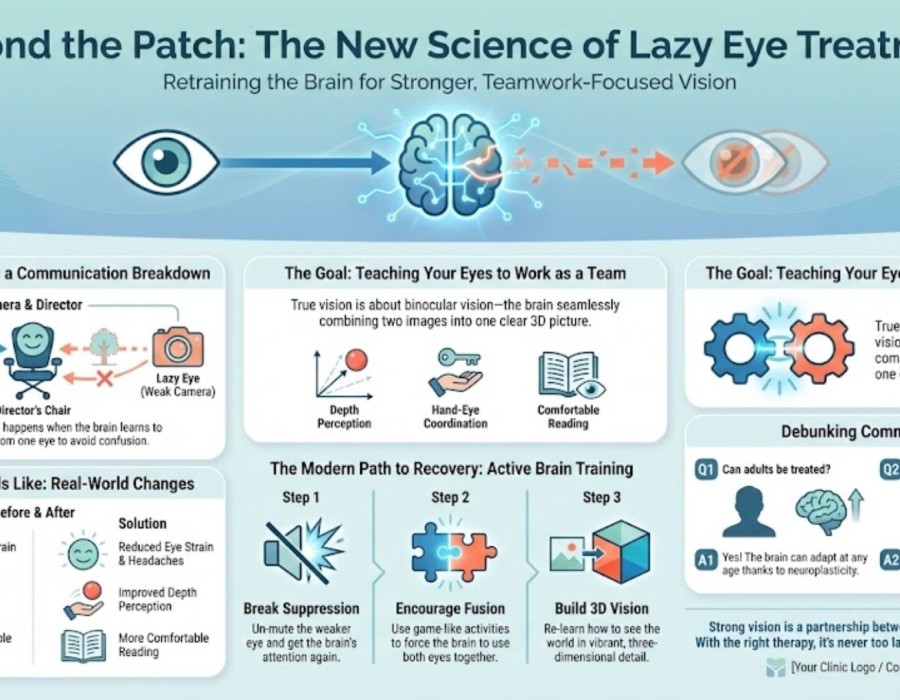
When a child has a squint, their eyes send two different images to the brain. To cope with this, the brain often develops a protective mechanism called suppression, where it ignores the image from the misaligned eye. Over time, this suppression leads to amblyopia, or "lazy eye," where the sight in the suppressed eye fails to develop normally, resulting in permanent vision loss if left unaddressed.
Key Entities to Know:
- Strabismus (Squint): The physical misalignment of the eyes.
- Amblyopia (Lazy Eye): The subsequent loss of vision due to the brain ignoring the misaligned eye.
- Binocular Vision: The ability of both eyes to work together as a team.
Why Professional Intervention is Non-Negotiable
While the idea of a simple squint eye cure at home is appealing, the condition is rooted in neuro-visual pathways that require specific, targeted intervention. This is where the expertise of a pediatric ophthalmologist or an optometrist specializing in vision therapy becomes essential.
The Role of an Expert
- Accurate Diagnosis: A professional will determine the type of squint (constant, intermittent, accommodative, non-accommodative) and the degree of misalignment. This dictates the entire treatment plan.
- Addressing Amblyopia: The first priority is often treating any existing amblyopia, typically through patching or drops to force the brain to use the weaker eye. This step is critical and needs professional monitoring.
- Correcting Alignment: Only after sufficient vision is restored or protected can the focus shift entirely to eye alignment and coordinated movement.
What Parents Can Do: Supportive Home Environment
While you cannot implement a clinical squint eye treatment at home alone, your role as a parent is the single most important factor in the success of any prescribed treatment plan. Your actions at home provide the necessary support structure for a squint eye cure.
Actionable Home Support Steps:
- Compliance is Key: Strictly follow the prescribed patching schedule, even when your child resists. Consistency is the secret ingredient for treating amblyopia.
- Create a Positive Environment: Frame the treatment (like patching or home-based vision exercises) as a positive, important activity. Use rewards, stickers, or dedicated "eye time" to make it engaging.
- Monitor and Communicate: Keep track of any changes—good or bad—and relay them to the eye specialist. Note when the squint appears or disappears, or if vision seems to be improving.
- Limit Screen Time (Balance): Excessive, close-up screen time can sometimes place strain on the visual system. Ensure plenty of breaks and encourage outdoor play to promote distance vision.
This consistent and positive application of prescribed routines is the most effective form of squint eye treatment at home a parent can provide.
Conclusion: Partnering with Professionals
When you search for a squint eye cure, remember that while your home provides the vital nurturing and supportive environment, the technical treatment—the tailored therapy, the precise prescription, the clinical monitoring must come from a qualified eye care professional. Your partnership with an expert is the fastest, safest, and most effective route to correcting your child's vision and ensuring they develop strong, coordinated binocular vision for life.
Frequently Asked Questions (FAQs)
Q: Will my child outgrow the squint eye?
A: No. While an infant’s eyes might occasionally wander, a true, persistent squint after the age of three to four months will not correct itself and requires treatment to prevent long-term vision problems like amblyopia.
Q: How long does vision therapy take to work for a squint?
A: The duration varies greatly depending on the severity and type of squint, the child’s age, and their compliance. Therapy can range from several months to a year or more, focusing on incremental improvements in eye coordination.
Q: Is squint surgery just cosmetic, or does it improve vision?
A: Squint surgery primarily improves the physical alignment of the eyes. This can be critical for better self-esteem. While surgery helps the eyes point correctly, it is often performed after or in conjunction with other treatments (like patching or therapy) to ensure the best possible functional vision improvement.
Q: What is the ideal age to start treatment for strabismus?
A: The sooner, the better. Starting treatment as early as possible—ideally before the age of 7—offers the best prognosis, especially for treating amblyopia, due to the high neuroplasticity of a young child’s developing brain.
Comments