


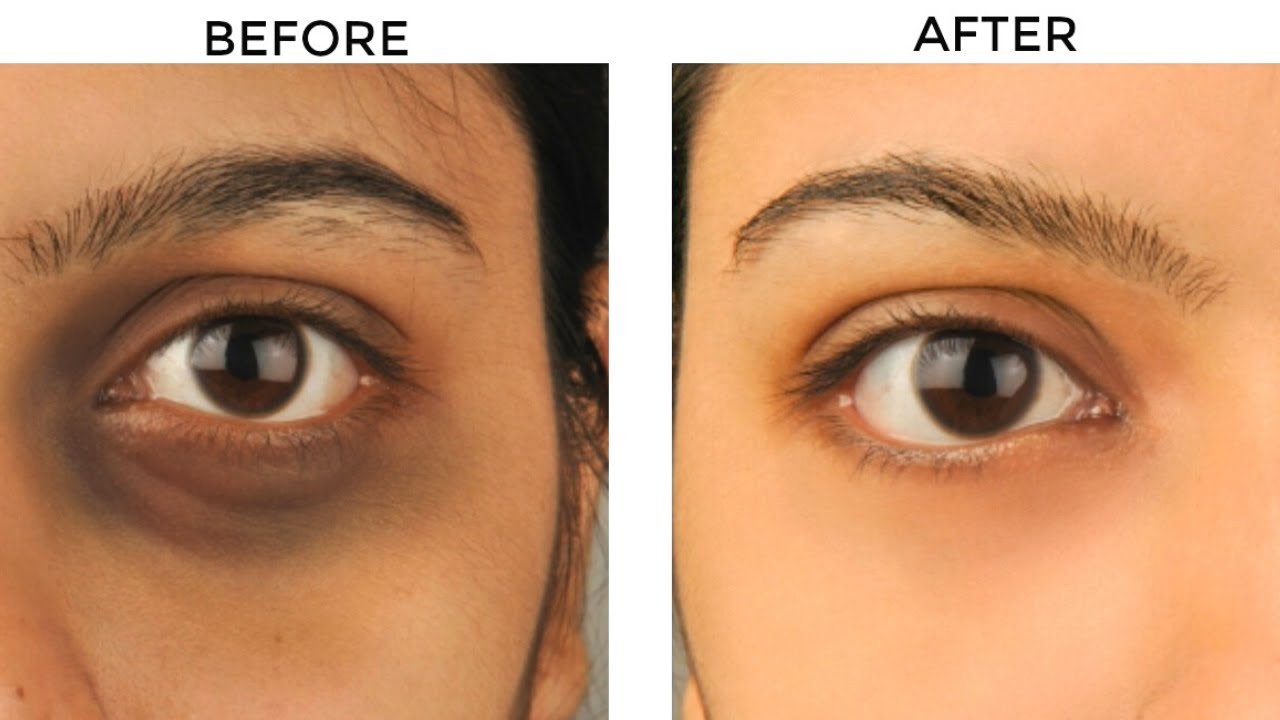
Dark circles under the eyes are a common concern for many people, and they can affect anyone regardless of age or gender. These darkened areas beneath the eyes are often caused by multiple factors, including genetics, lifestyle habits, medical conditions, and environmental influences. Understanding the underlying causes of dark circles is essential for effective treatment and long-term prevention. In Islamabad, several options are available to address dark circles, ranging from lifestyle modifications to professional dermatological treatments. Dark Circles Treatment in Islamabad offers effective solutions to reduce under-eye pigmentation and rejuvenate tired-looking eyes.
Causes of Dark Circles
- Genetics
- Genetic predisposition is one of the most significant factors contributing to dark circles. Individuals with a family history of thin under-eye skin or prominent blood vessels are more prone to developing dark circles. In such cases, the pigmentation or vascular visibility is more noticeable, making the area appear darker.
- Aging
- As people age, the skin around the eyes becomes thinner and loses its natural elasticity due to a reduction in collagen and fat. This thinning makes the blood vessels beneath the skin more visible, creating a darker appearance. Additionally, age-related bone structure changes can create hollows under the eyes, enhancing shadowing and contributing to dark circles.
- Lack of Sleep and Fatigue
- Sleep deprivation is a common cause of dark circles. Insufficient rest can cause blood vessels under the eyes to dilate, leading to a bluish or purplish tint. Chronic fatigue may also cause fluid retention around the eyes, resulting in puffiness that exaggerates the appearance of dark circles.
- Dehydration
- When the body is dehydrated, the skin loses its natural plumpness and becomes dull, making dark circles more prominent. Dehydration also reduces blood flow, which can cause under-eye discoloration.
- Sun Exposure
- Excessive sun exposure stimulates melanin production in the skin. The delicate under-eye area is particularly susceptible to hyperpigmentation caused by ultraviolet (UV) rays, leading to dark circles or worsening existing ones.
- Allergies and Nasal Congestion
- Allergic reactions and chronic nasal congestion can contribute to dark circles, often referred to as “allergic shiners.” These occur due to the dilation of blood vessels under the eyes from inflammation, which can cause a darker appearance.
- Lifestyle Factors
- Smoking, excessive alcohol consumption, and poor nutrition can all exacerbate dark circles. Smoking reduces blood flow and damages skin elasticity, while alcohol can cause dehydration and puffiness. A diet lacking essential vitamins, particularly vitamin K, C, and iron, may also contribute to under-eye discoloration.
- Medical Conditions
- Certain medical conditions, such as anemia or thyroid imbalances, may cause dark circles. Iron deficiency anemia, for instance, reduces the oxygen-carrying capacity of the blood, making the under-eye area appear darker.
Treatment Options for Dark Circles in Islamabad
- Lifestyle Modifications
- Making simple lifestyle changes can significantly improve the appearance of dark circles. Adequate sleep of 7–9 hours per night, staying hydrated, and maintaining a balanced diet rich in fruits, vegetables, and essential vitamins can reduce dark circles. Limiting alcohol consumption, quitting smoking, and managing stress also contribute to healthier under-eye skin.
- Topical Treatments
- Several topical creams and serums are effective in treating dark circles. Ingredients like vitamin C, retinol, hyaluronic acid, niacinamide, and peptides help reduce pigmentation, boost collagen production, and improve skin hydration. Regular use of sunscreen around the eyes is crucial to prevent further pigmentation caused by sun exposure.
- Chemical Peels and Laser Therapy
- For stubborn pigmentation, chemical peels containing mild acids can lighten dark circles by removing the top layers of pigmented skin. Laser therapy, available at dermatology clinics in Islamabad, targets pigmentation and improves skin texture, stimulating collagen production to thicken the under-eye skin and reduce the visibility of blood vessels.
- Dermal Fillers
- Hyaluronic acid-based dermal fillers are commonly used to treat dark circles caused by under-eye hollows or volume loss. By filling in the hollow areas, these fillers reduce shadows and give a smoother, rejuvenated appearance.
- PRP (Platelet-Rich Plasma) Therapy
- PRP therapy is another effective option for under-eye rejuvenation. It uses the patient’s own plasma to stimulate collagen production, improve skin texture, and reduce pigmentation. This minimally invasive treatment is gaining popularity in Islamabad for its natural results.
- Home Remedies
- Although professional treatments offer faster results, certain home remedies can help improve dark circles over time. Cold compresses reduce puffiness, while cucumber slices or chilled tea bags soothe the under-eye area. Regular facial massage and proper hydration also support overall skin health.
Conclusion
Dark circles are a common concern, influenced by genetic, environmental, and lifestyle factors. In Islamabad, a combination of lifestyle modifications, topical treatments, and advanced dermatological procedures can effectively manage and reduce the appearance of dark circles. Understanding the underlying cause is essential to select the most appropriate treatment, ensuring long-lasting results and healthier, brighter under-eye skin.
Comments