


- Abuse & The Abuser
- Achievement
- Activity, Fitness & Sport
- Aging & Maturity
- Altruism & Kindness
- Atrocities, Racism & Inequality
- Challenges & Pitfalls
- Choices & Decisions
- Communication Skills
- Crime & Punishment
- Dangerous Situations
- Dealing with Addictions
- Debatable Issues & Moral Questions
- Determination & Achievement
- Diet & Nutrition
- Employment & Career
- Ethical dilemmas
- Experience & Adventure
- Faith, Something to Believe in
- Fears & Phobias
- Friends & Acquaintances
- Habits. Good & Bad
- Honour & Respect
- Human Nature
- Image & Uniqueness
- Immediate Family Relations
- Influence & Negotiation
- Interdependence & Independence
- Life's Big Questions
- Love, Dating & Marriage
- Manners & Etiquette
- Money & Finances
- Moods & Emotions
- Other Beneficial Approaches
- Other Relationships
- Overall health
- Passions & Strengths
- Peace & Forgiveness
- Personal Change
- Personal Development
- Politics & Governance
- Positive & Negative Attitudes
- Rights & Freedom
- Self Harm & Self Sabotage
- Sexual Preferences
- Sexual Relations
- Sins
- Thanks & Gratitude
- The Legacy We Leave
- The Search for Happiness
- Time. Past, present & Future
- Today's World, Projecting Tomorrow
- Truth & Character
- Unattractive Qualities
- Wisdom & Knowledge






FOLLOWERS
0
Users
Truth & Character Thursdays
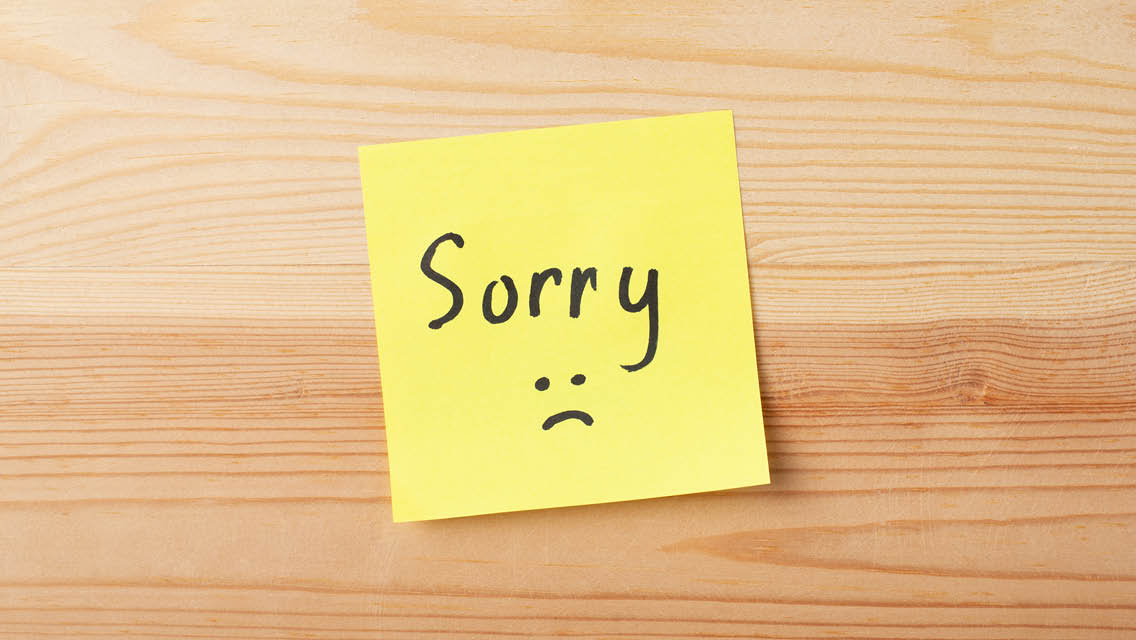
Mature Enough To Apologize
Do you ever find yourself in the middle of an argument and you feel like you really should apologize, but you just don’t want to?!
I think we could all relate to that - there’s something about our pride and our ego that can so often get in the way of a simple apology. It doesn’t even have to be an admission of wrongdoing - it can simply be a way to accept some of the responsibility and diffuse the situation.
The thing is, whether your position is justified or not, it takes two to tango. I believe that being willing to apologize in the midst of a disagreement shows a level of maturity that many people do not have.
If I think about the latest argument that I had with my husband, I remember feeling that sense of justification that I was right and he was wrong. The problem was that he felt justified in his position as well!
I’m sure you’ve found yourself in a similar position too - so how did the situation get resolved? Or did it not get resolved and it’s still festering?
During the last argument with my husband, we both looked at each other and said “we are a team, so let’s figure out how to work this out together in a way that is mutually beneficial!”
We both apologized for making the disagreement into an argument and then we were able to come to a resolution.
If you find yourself in the midst of an argument, it might be time to take a different approach and diffuse the situation. Be mature enough to apologize - even if you are standing firm on your position and figure out a way to resolve it without contention.
Interesting Fact #1
It shows you are in charge of your actions and are not intimidated by others who may need your apology. To not apologize when you’ve done something that hurt another person is to show weakness and a lack of courage.
Interesting Fact #2
Carrying the burden of a grudge can cause stress that may be damaging to your health. Part of giving and accepting an apology involves forgiving that other person.
Interesting Fact #3
Life is too short to allow grudges to destroy families. If you have offended someone, recognize your part in it, take the blame and apologize. By doing so, you may become the family hero in restoring peace.
Quote of the day
“Never ruin an apology with an excuse.” ― Benjamin Franklin
Article of the day - The art of a heartfelt apology
If you've been stuck mostly at home with one or more family members over the past year, chances are you've gotten on one another's nerves occasionally. When you're under a lot of stress, it's not uncommon say something unkind, or even to lash out in anger to someone you care about. And we all make thoughtless mistakes from time to time, like forgetting a promise or breaking something.
Not sure if you should apologize?
Even if you don't think what you said or did was so bad, or believe that the other person is actually in the wrong, it's still important to apologize when you've hurt or angered someone. "To preserve or re-establish connections with other people, you have to let go of concerns about right and wrong and try instead to understand the other person's experience," says Dr. Ronald Siegel, assistant professor of psychology at Harvard Medical School. That ability is one of the cornerstones of emotional intelligence, which underlies healthy, productive relationships of all types.
How to apologize genuinely
For an apology to be effective, it has to be genuine. A successful apology validates that the other person felt offended, and acknowledges responsibility (you accept that your actions caused the other person pain). You want to convey that you truly feel sorry and care about the person who was hurt, and promise to make amends, including by taking steps to avoid similar mishaps going forward as in the examples below.
According to the late psychiatrist Dr. Aaron Lazare, an apology expert and former chancellor and dean of the University of Massachusetts Medical School, a good apology has four elements:
- Acknowledge the offense. Take responsibility for the offense, whether it was a physical or psychological harm, and confirm that your behavior was not acceptable. Avoid using vague or evasive language, or wording an apology in a way that minimizes the offense or questions whether the victim was really hurt.
- Explain what happened. The challenge here is to explain how the offense occurred without excusing it. In fact, sometimes the best strategy is to say there is no excuse.
- Express remorse. If you regret the error or feel ashamed or humiliated, say so: this is all part of expressing sincere remorse.
- Offer to make amends. For example, if you have damaged someone's property, have it repaired or replace it. When the offense has hurt someone's feelings, acknowledge the pain and promise to try to be more sensitive in the future.
Making a heartfelt apology
The words you choose for your apology count. Here are some examples of good and bad apologies.
|
EFFECTIVE WORDING |
WHY IT WORKS |
|
"I'm sorry I lost my temper last night. I've been under a lot of pressure at work, but that's no excuse for my behavior. I love you and will try harder not to take my frustrations out on you." |
Takes responsibility, explains but does not excuse why the mistake happened, expresses remorse and caring, and promises reparation. |
|
"I forgot. I apologize for this mistake. It shouldn't have happened. What can I do to avoid this problem in the future?" |
Takes responsibility, describes the mistake, makes the person feel cared for, and begins a conversation about how to remedy the error. |
|
INEFFECTIVE WORDING |
WHY IT WON'T WORK |
|
"I apologize for whatever happened." |
Language is vague; offense isn't specified. |
|
"Mistakes were made." |
Use of passive voice avoids taking responsibility. |
|
"Okay, I apologize. I didn't know this was such a sensitive issue for you." |
Sounds grudging, thrusts the blame back on to the offended person (for "sensitivity"). |
Question of the day - Do you believe that apologizing is a sign of maturity? Why or why not?
Aging & Maturity
Do you believe that apologizing is a sign of maturity? Why or why not?
Daily archives
Current Survey
Top 5 Contributors (Aug)

20209 pts

12060 pts

10714 pts

10417 pts

10117 pts