




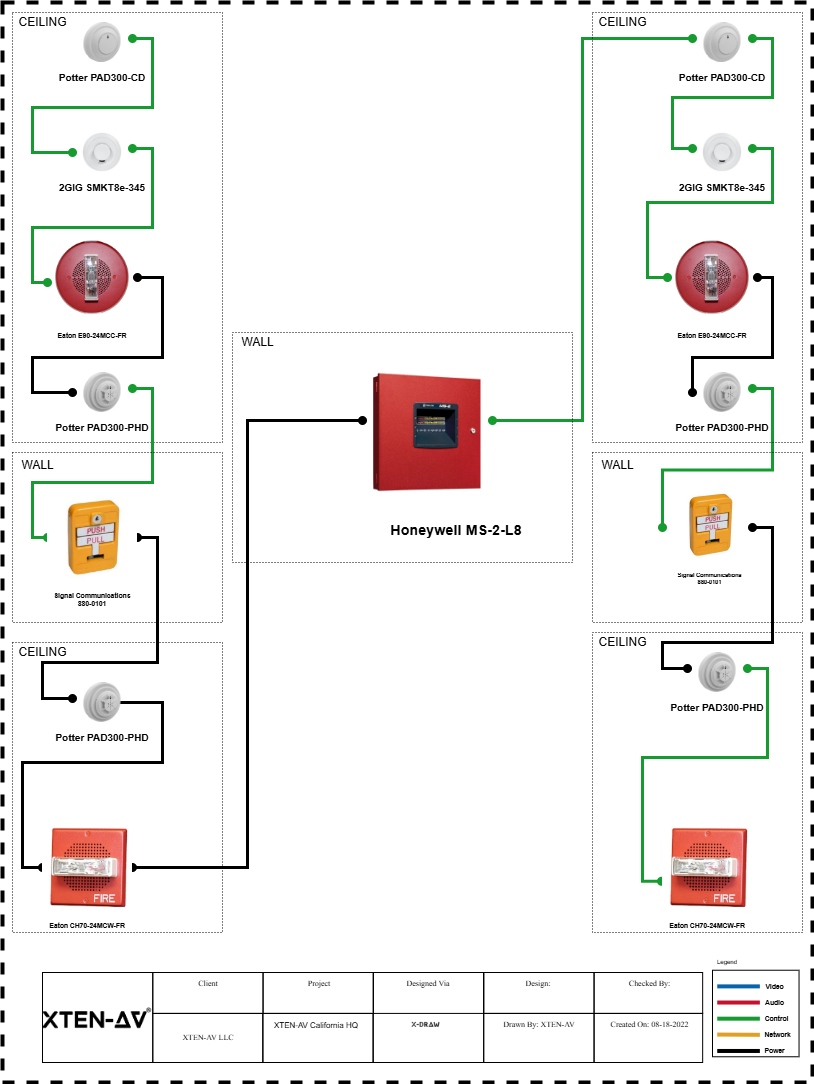
Wireless fire alarm systems are becoming a popular choice for homes offices and commercial buildings because they offer modern safety without complex wiring. These systems provide fast communication reliable performance and easy installation making them a practical solution for todays safety needs. If you have ever wondered how wireless fire alarm systems actually work this simple explanation will help you understand the core technology behind them. In this blog you will learn how wireless signals are used to detect fire how devices communicate and what makes the entire system secure and dependable.
What Is a Wireless Fire Alarm System
A wireless fire alarm system is a fire detection and alerting system that uses radio frequency communication instead of physical wires. Each device in the system such as smoke detectors heat detectors control panels and sirens communicates wirelessly. When a fire related event occurs the detector sends a signal to the control panel which activates alarms and initiates safety responses.
Wireless systems operate on specific radio frequencies that are designed for secure and uninterrupted communication. These signals allow devices to communicate quickly and reliably across different areas of a building.
How Smoke and Heat Detectors Sense Fire
At the heart of a wireless fire alarm system are the detectors. These devices sense dangerous conditions and send alerts. There are two common types of detectors in wireless systems smoke detectors and heat detectors.
Smoke detectors identify fire by sensing smoke particles in the air. Most wireless systems use photoelectric technology where light beams detect changes caused by smoke. Heat detectors sense an increase in temperature. They trigger alarms when the temperature rises beyond a safe limit.
Once a detector notices anything unusual it immediately sends a signal to the main control panel. This happens in seconds ensuring rapid response.
Understanding Wireless Communication
Wireless fire alarms use radio frequency communication to link all components. These frequencies are different from WiFi or Bluetooth which helps avoid interference. The most common frequencies include low power radio bands that travel well through walls and large spaces.
Communication happens in packets. When the detector sends a message it includes important information such as the type of alert location and device status. The control panel receives the signal interprets it and activates alarms.
Modern systems use two way communication. This means detectors can send information to the control panel and the panel can also check device health and battery levels.
How the Control Panel Works
The control panel is the brain of the wireless fire alarm system. It controls communication between all devices and manages alarm functions. When a detector sends an alert the control panel immediately triggers warning sirens flashing lights and mobile notifications depending on the system.
The control panel also monitors detectors regularly. It checks battery status signal strength and communication health. If a detector fails or goes offline the panel alerts the user so issues can be fixed quickly.
In smart systems the control panel also connects to mobile apps cloud servers and emergency services for faster response.
How Alerts and Notifications Are Sent
When the system detects fire the alert process begins instantly. The control panel activates indoor alarms to warn occupants. Many wireless systems also support external sirens and strobe lights to alert people outside the building.
Smart wireless fire alarms send mobile notifications through apps. These alerts include details such as the location of the alarm and the type of threat. Cloud based systems can also notify monitoring companies or emergency responders.
This makes wireless systems more advanced than traditional setups because they offer real time remote alerts even if you are not home or at the office.
Battery Power and Energy Management
Wireless fire alarms run on batteries since they do not use wired power. Modern detectors use long lasting batteries that can work for several years. These systems are designed with energy efficient technology to ensure stable operation.
Low battery alerts are automatically sent to the control panel. This helps prevent device failure. Some systems use dual power sources like battery plus solar backup to extend life. The control panel often uses mains power with a backup battery to continue working even during power cuts.
Signal Range and Coverage
Wireless fire alarm systems are designed to work across different types of buildings. Signal range depends on factors like building size materials and detector placement. Thick walls metal surfaces and long distances can reduce signal strength.
To solve this many wireless systems use mesh networking. In a mesh network devices communicate not only with the control panel but also with each other. This creates multiple communication paths and ensures signals reach the control panel even if one route is blocked.
Range extenders can be added to improve coverage in large spaces.
Preventing Interference and Signal Loss
Radio signals can face interference from other electronic devices WiFi networks or building materials. To avoid this wireless fire alarms use encrypted communication channels. These frequencies are chosen to minimize disturbance and ensure reliability.
Systems also check signal quality regularly. If the control panel notices weak communication it alerts the user. Many wireless fire alarms use frequency hopping technology where the system switches between channels to avoid interference.
How the System Stays Secure
Security is very important in wireless communication. Wireless fire alarm systems use encrypted signals to prevent tampering or unauthorized access. This encryption ensures that only approved devices can communicate within the system.
Each device has a unique identification code. When paired with the control panel the system verifies the code before allowing communication. This prevents signal spoofing and keeps the system secure.
What Happens During a Fire Event
When a fire is detected the system follows a series of steps. First the detector senses smoke or heat and sends an alert. The control panel receives the signal within seconds and activates alarms. Occupants hear loud sirens and see flashing lights. Smart systems also send mobile notifications instantly.
If connected to a monitoring service emergency responders are notified automatically. This rapid chain of communication helps reduce damage and enhances safety.
Maintenance Requirements
Even though wireless fire alarm systems are easy to maintain they still need regular checks. Test the system every month to make sure detectors and alarms are working. Replace batteries when you receive low battery alerts.
Clean detectors occasionally to remove dust which can cause false alarms. Make sure the control panel display shows all devices as active. A yearly professional inspection is recommended to keep the system reliable.
Advantages of Wireless Operation
Wireless communication brings many advantages. There is no wiring required which reduces installation time. The system is flexible and easy to expand. Devices can be moved quickly without any structural work.
Wireless systems also support smart features such as remote alerts and mobile monitoring. Their fast communication ensures quick response during fire events. This makes them suitable for modern homes offices and commercial spaces.
Conclusion
Wireless fire alarm systems use advanced technology to detect fire and send alerts quickly. Through radio frequency communication two way signals encrypted channels and smart monitoring these systems provide dependable protection without complicated wiring. They are easy to install maintain and expand making them one of the best choices for fire safety in todays world.
This simple explanation shows how wireless fire alarm systems work and why they are becoming a standard solution for both homes and businesses.
Comments