




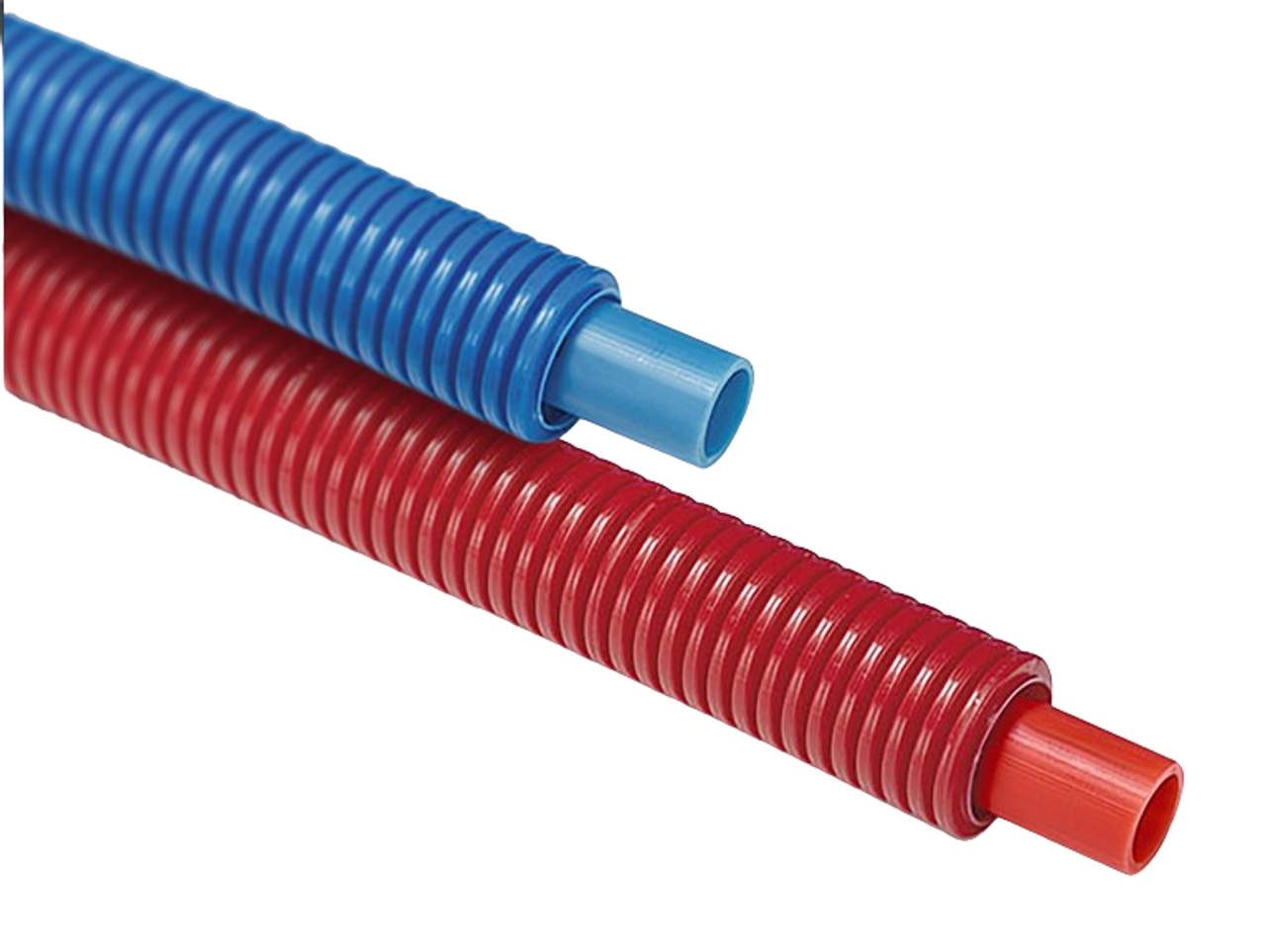
A plumbing system rarely gets attention until something fails. Most people never see the hidden work behind walls or under concrete. Yet contractors know the truth. Long-term performance often depends on small installation choices made early in a project.
That shift in thinking has pushed more professionals toward pre-sleeved PEX pipe systems. Builders now want solutions that reduce callbacks, protect materials, and speed up labor. The goal is no longer just installation. The goal is durability under real-world conditions.
The global PEX pipe market continues to grow as construction teams seek flexible and corrosion-resistant plumbing systems. Industry reports project steady growth through the next decade, driven by commercial construction and infrastructure upgrades across the United States.
Why Are Contractors Moving Away From Traditional Methods?
Older piping systems often create hidden maintenance risks. Copper can corrode over time. Rigid piping also demands more labor during installation. Every extra connection creates another possible failure point.
Contractors today face tighter timelines and rising labor costs. They need systems that move faster without sacrificing reliability.
That is where pre-sleeved PEX pipe changes the conversation. The added sleeve creates an extra layer of protection during concrete pours, underground routing, and slab installations. It also helps reduce wear caused by friction and movement over time. In many projects, this simple addition prevents expensive repairs years later.
Installers also appreciate the flexibility. PEX bends more easily around obstacles, reducing the need for extra fittings and joints.
What Happens When Speed Becomes the Priority?
Construction schedules continue shrinking across commercial and residential projects. Owners expect faster turnover. Contractors must deliver while managing material shortages and labor gaps.
This pressure often exposes weak procurement strategies. Many project delays start with missing components, backordered valves, or mismatched fittings. A mechanical system only works when every part arrives on time and fits correctly.
That reality has changed how experienced contractors choose suppliers. Instead of buying from multiple sources, many teams now prefer distributors who understand complete system compatibility. Valves, gauges, pressure controls, and piping components must work together under demanding conditions.
The industry has become less transactional and more technical.
Why Does Product Knowledge Matter More Today?
Modern fluid systems are more complex than they were ten years ago. Facilities now monitor flow rates, pressure stability, and energy efficiency much more closely.
Improper valve selection can affect an entire building’s performance. Pressure fluctuations may damage equipment. Poor balancing can reduce HVAC efficiency. In industrial settings, system interruptions may stop production completely.
That is why experienced buyers increasingly rely on distributors with technical product knowledge instead of basic inventory access.
Understanding application requirements matters. Steam systems require different valve materials than potable water systems. Municipal projects often demand stricter pressure regulation standards. Industrial plants may need precise instrumentation for monitoring and safety compliance. The right guidance can prevent costly redesigns later.
Are Facility Managers Thinking Differently About Maintenance?
Maintenance teams now focus heavily on lifecycle costs instead of short-term savings. A lower-priced component may create higher labor expenses later. Replacing buried piping or failed valves can disrupt operations for days. In healthcare, manufacturing, and education facilities, downtime creates major operational problems.
This mindset has increased demand for durable flow-control systems and protected piping solutions.
Facility managers want products that remain serviceable years after installation. They also prefer standardized systems that simplify future repairs and replacements.
That preference extends beyond large industrial sites. Even mid-sized commercial buildings now prioritize maintenance accessibility during design and construction.
What Does This Mean for the Future of Plumbing Systems?
The industry is moving toward smarter infrastructure decisions. Contractors, engineers, and procurement teams now think beyond installation day.
They ask tougher questions like, How will this system perform after ten years? Will replacement parts remain available? Can technicians service the equipment easily? Will the materials withstand changing pressure demands? Those questions are reshaping supplier relationships across the PVF industry.
Reliable sourcing, technical support, and product consistency now carry more value than aggressive pricing alone. As more contractors adopt pre-sleeved PEX pipe solutions for protection and efficiency, the need for knowledgeable industrial suppliers will continue growing. Companies like Lehigh Valley Valve support that shift by supplying valves, instrumentation products, and system components used across commercial, industrial, and municipal projects throughout the United States.
Comments