




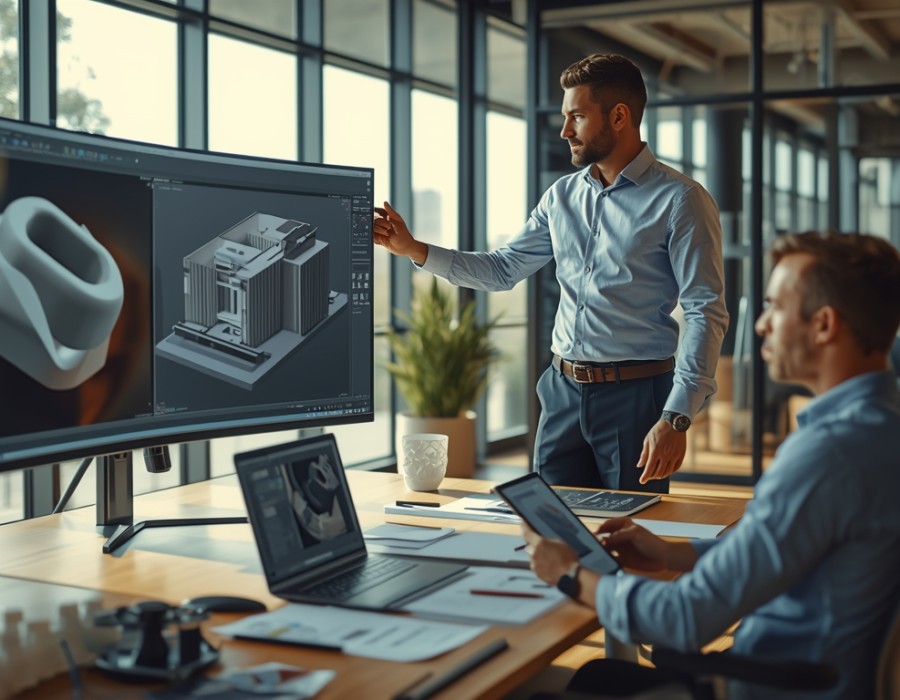
In the modern design and manufacturing landscape, businesses and creative professionals are constantly looking for innovative tools to improve efficiency, accuracy, and product outcomes. One technology that has revolutionized the way designers work is 3D modeling services. By leveraging these services, engineers, architects, product designers, and marketers can bring their ideas to life with precision, creativity, and speed. In this article, we will explore how 3D model services help build better designs, the benefits they offer, and why they have become an essential part of the design process.
Understanding 3D Modeling Services
3D modeling services involve creating digital representations of objects, products, or environments using advanced software tools. These models can range from simple geometric shapes to highly detailed and photorealistic assets. Industries such as architecture, product design, interior design, animation, gaming, and marketing rely heavily on 3D modeling to visualize ideas, streamline production, and communicate design concepts effectively.
The primary purpose of 3D modeling is to convert ideas into a visual, interactive format that can be reviewed, modified, and shared digitally. By using 3D model services, businesses can test designs virtually, reduce errors, and save both time and costs compared to traditional prototyping.
How 3D Modeling Services Improve Design Quality
1. Enhanced Visualization
One of the biggest challenges in traditional design processes is translating a concept into a tangible product. Sketches or 2D drawings often fail to convey the complexity or aesthetics of a design. With 3D modeling services, designers can create accurate, detailed, and interactive models. These models allow designers and clients to see every angle, dimension, and feature of the product before production begins. Enhanced visualization ensures clear communication of ideas and reduces misunderstandings, resulting in designs that meet expectations more effectively.
2. Faster Prototyping and Iteration
Traditional prototyping can be slow and costly. 3D modeling services enable designers to create virtual prototypes that can be tested, adjusted, and optimized without the need for physical materials. Designers can make changes to size, shape, texture, or materials and immediately evaluate the impact on the overall design. This flexibility accelerates the development process, allowing faster iterations and better design decisions, ultimately saving both time and money.
3. Cost-Effective Design Solutions
Physical prototyping and trial-and-error testing can significantly increase production costs. By using 3D model services, companies can reduce these expenses. Virtual models allow teams to test designs, experiment with materials, and evaluate structural integrity without creating physical products. Early detection of potential issues prevents costly mistakes during manufacturing. For industries like automotive, aerospace, or construction, which require precision, 3D modeling services provide a cost-effective solution that improves design quality while minimizing risks.
4. Improved Team Collaboration
Modern design projects often involve multiple stakeholders, including designers, engineers, marketers, and clients. Coordinating feedback and ensuring everyone is on the same page can be challenging with traditional 2D designs. 3D modeling services make collaboration seamless. Cloud-based 3D models can be shared across teams, allowing stakeholders to review, comment, and approve designs in real time. This improves communication, reduces errors, and ensures that all team members contribute to a final design that meets everyone’s expectations.
5. Realistic Client Presentations
A high-quality design must be visually appealing and understandable for clients. 3D modeling services allow designers to create photorealistic renders, animations, and interactive experiences that showcase designs effectively. These visualizations help clients understand the product’s features, materials, and overall aesthetics. For marketing and presentations, realistic 3D models make it easier to communicate concepts, gain client approval, and create engaging promotional materials that drive interest and sales.
Industries That Benefit from 3D Modeling Services
The versatility of 3D modeling services makes them valuable across a wide range of industries:
Product Design and Manufacturing
From electronics to furniture and fashion accessories, 3D modeling allows designers to prototype quickly, test functionality, and ensure aesthetic appeal. It also enables designers to experiment with shapes, textures, and materials to create products that are both innovative and practical.
Architecture and Interior Design
Architects and interior designers use 3D modeling to create realistic representations of buildings, interiors, and landscapes. Clients can walk through virtual spaces, visualize furniture layouts, lighting, and materials before construction begins. This reduces costly changes during building and ensures that the final design aligns with client expectations.
Automotive and Aerospace
In industries like automotive and aerospace, precision is critical. 3D modeling services enable engineers to design complex components, test aerodynamics, and optimize performance. Virtual testing reduces errors in manufacturing and ensures that vehicles and aircraft meet strict safety and quality standards.
Gaming and Animation
In the entertainment industry, 3D modeling is essential for creating immersive experiences. Designers use 3D model services to develop realistic characters, environments, and props for video games, films, and virtual reality applications. High-quality 3D models enhance user experience and drive engagement.
Healthcare and Medical Devices
Medical professionals rely on 3D models to visualize anatomy, simulate surgeries, and design customized medical devices. This technology allows precise planning and testing, improving patient outcomes and supporting innovation in healthcare solutions.
Key Advantages of 3D Modeling Services
- Accuracy: Digital 3D models reduce errors and ensure designs meet specifications.
- Efficiency: Virtual prototyping accelerates design iterations.
- Cost Savings: Reduces material and production costs by testing designs digitally.
- Client Satisfaction: Realistic visualizations make presentations more convincing.
- Innovation: Complex shapes and intricate designs can be developed more easily.
Tips for Choosing the Right 3D Modeling Service
To maximize the benefits of 3D modeling services, it is important to select a provider that suits your project needs:
- Portfolio and Experience: Ensure the provider has experience in your industry and a track record of high-quality work.
- Software Expertise: The team should be skilled in industry-standard software such as AutoCAD, SolidWorks, Blender, or 3ds Max.
- Customization: Look for services that provide solutions tailored to your specific design requirements.
- Communication and Support: Effective collaboration and timely support are essential for smooth project execution.
- Value for Cost: Choose a service that delivers high-quality models within your budget.
Future Trends in 3D Modeling
The field of 3D modeling services is evolving rapidly, with new technologies enhancing design possibilities:
- AI-Powered Modeling: Artificial intelligence is being used to automate complex tasks and optimize designs.
- AR/VR Integration: Augmented and virtual reality allow designers and clients to experience designs in interactive, immersive environments.
- Cloud-Based Collaboration: Teams can work on shared 3D models in real time from any location.
- 3D Printing Compatibility: 3D models can be used directly for additive manufacturing, streamlining production and reducing errors.
These trends ensure that 3D modeling services will continue to play a critical role in innovation and efficient design across industries.
Conclusion
3D model services have transformed the way designers, engineers, and businesses approach product development, architecture, and creative projects. By enabling better visualization, faster prototyping, cost-effective solutions, and seamless collaboration, these services help create designs that are both functional and visually appealing. As technology continues to evolve, leveraging 3D modeling services will be increasingly essential for companies that aim to stay competitive and innovative.
Investing in professional 3D modeling services is not just an option. It is a strategic decision that ensures better design outcomes, improved client satisfaction, and a streamlined development process. Whether in product design, architecture, or entertainment, adopting 3D modeling services empowers teams to bring ideas to life with unprecedented precision, creativity, and efficiency.
Frequently Asked Questions (FAQs)
1. What are 3D model services?
3D model services create digital representations of objects, products, or environments. They allow designers and businesses to visualize, test, and refine ideas before physical production, saving time and reducing costs.
2. How do 3D modeling services improve design quality?
3D modeling improves design quality by providing accurate visualization, rapid prototyping, and realistic renders. This allows designers to identify flaws early and create designs that meet functional and aesthetic goals.
3. Which industries benefit from 3D modeling services?
3D modeling services are used in product design, architecture, automotive, aerospace, gaming, animation, and healthcare. Any industry that requires precise, visual, and functional designs can benefit from these services.
Comments