




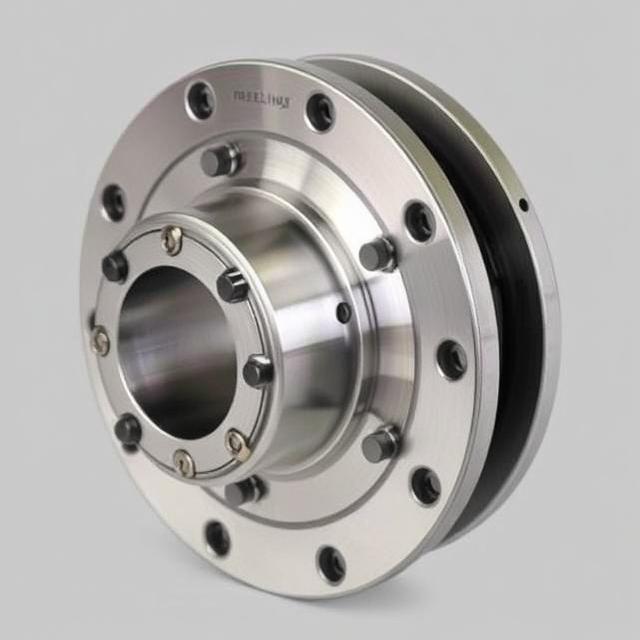
Couplings are essential mechanical components that connect two shafts to transmit torque, compensate for misalignment, reduce vibration, and protect industrial machinery from overload. Selecting the right coupling ensures smoother operations, lower maintenance costs, and extended equipment life. Rathi Couplings offers high-quality, precision-engineered couplings designed for efficiency, durability, and reliability across a wide range of industrial applications.
What Are Couplings and How Do They Work?
Couplings are devices that connect two rotating shafts to transfer power from a driving machine, such as a motor, to a driven machine, like a pump or conveyor. They allow torque transmission while accommodating minor shaft misalignments.
There are various coupling types with unique designs:
- Rigid Couplings: Provide a solid connection for precise alignment but cannot tolerate misalignment.
- Flexible Couplings: Absorb vibrations and allow slight misalignment.
- Gear Couplings: Designed for high torque, heavy-duty applications, and slight misalignment.
- Disc Couplings: Use metallic discs to manage misalignment while maintaining precise rotation.
- Fluid Couplings: Transmit torque via hydraulic fluid for smooth start-ups and overload protection.
Rathi Couplings manufactures all these types with precision engineering, ensuring smooth and reliable power transmission while minimizing wear on connected machinery.
Why Are Couplings Important in Industrial Machinery?
Couplings play a crucial role in machinery operation by:
- Transmitting Torque: They efficiently transfer power from motors to equipment.
- Reducing Vibration: Flexible couplings absorb vibrations, protecting machinery and enhancing operational stability.
- Compensating Misalignment: Couplings tolerate angular, parallel, and axial misalignment.
- Providing Overload Protection: Some couplings can slip under extreme torque, safeguarding connected machinery.
- Reducing Maintenance Costs: High-quality couplings reduce wear on motors and gearboxes.
Using Rathi Couplings, industries benefit from components engineered for precision, strength, and long-lasting performance.
What Industries Use Couplings?
Couplings are widely used across various industries, including:
- Material Handling: Conveyors, bucket elevators, mixers
- Mining and Cement: Crushers, mills, and grinders
- Industrial Pumps and Fans: Smooth operation under variable loads
- Steel and Manufacturing Plants: Heavy machinery requiring precise torque transfer
- HVAC Systems: Large compressors and ventilation systems
Rathi Couplings specializes in custom solutions for these applications, ensuring that couplings perform efficiently under demanding conditions.
What Are the Benefits of Using Rathi Couplings?
High-quality couplings provide several advantages:
- Smooth Start-Up: Reduces torque shocks and protects connected machinery.
- Overload Protection: Allows controlled slip under excessive load to prevent damage.
- Reduced Maintenance: Minimizes wear on machinery components.
- Vibration Dampening: Absorbs vibrations, reducing noise and stress on equipment.
- Energy Efficiency: Optimized designs minimize energy loss, improving overall performance.
By selecting Rathi Couplings, businesses ensure operational safety, reliability, and long-term efficiency.
How Do You Select the Right Coupling for Your Application?
Choosing the right coupling depends on several factors:
- Torque Requirements: Consider starting, running, and peak torque.
- Speed Compatibility: Ensure the coupling matches motor and driven shaft speeds.
- Load Conditions: Take into account variable or peak loads.
- Environmental Conditions: Temperature, dust, moisture, and other factors affect material selection.
- Maintenance Needs: Choose a coupling that aligns with the maintenance schedule and operational reliability requirements.
Rathi Couplings provides expert guidance to recommend the ideal coupling type and design for specific industrial applications.
How Do Couplings Improve Machinery Life?
Couplings reduce mechanical stress and vibration, which extends the life of motors, gearboxes, and connected equipment. Benefits include:
- Longer operational lifespan for critical machinery
- Reduced maintenance costs
- Less downtime due to equipment failure
- Better energy efficiency and smoother operation
Industries using Rathi Couplings report increased reliability and consistent performance, even in heavy-duty industrial environments.
What Maintenance Practices Ensure Long-Term Coupling Performance?
Proper maintenance is key to efficient coupling operation:
- Regular inspection for wear, cracks, or misalignment
- Checking bolts, fasteners, and seals
- Lubricating flexible or gear couplings as recommended
- Monitoring for unusual noise or vibration
- Replacing worn components promptly
Routine maintenance ensures Rathi Couplings operate efficiently and maintain machinery safety and performance.
Frequently Asked Questions About Couplings
Q1: What are couplings used for?
Couplings connect shafts to transmit torque while protecting equipment from misalignment, vibration, and overload.
Q2: Which industries use couplings the most?
Mining, cement, steel, manufacturing, material handling, and HVAC systems rely heavily on couplings.
Q3: Do all couplings handle misalignment?
No. Only flexible, gear, disc, and fluid couplings accommodate misalignment. Rigid couplings require precise alignment.
Q4: How do couplings reduce maintenance costs?
By absorbing vibrations, protecting machinery from shocks, and minimizing wear, couplings reduce downtime and extend equipment life.
Q5: Why choose Rathi Couplings?
Rathi Couplings offers durable, high-performance, and customizable couplings designed for demanding industrial applications.
Comments