




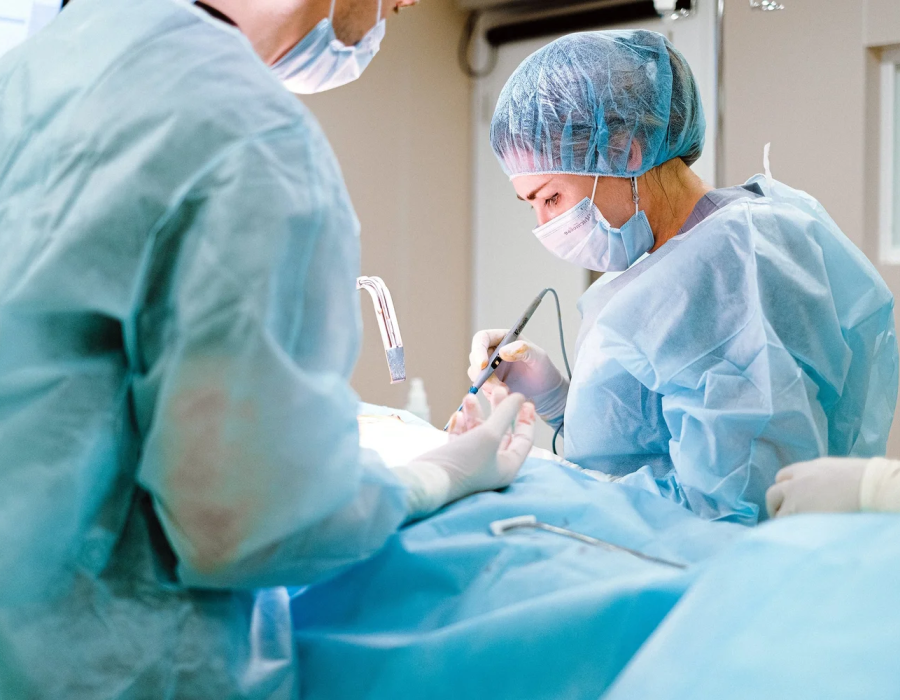
Rhinoplasty, commonly known as a nose job, is one of the most sought-after cosmetic procedures worldwide. This surgery not only enhances facial aesthetics but also addresses functional issues such as breathing difficulties. Consulting a qualified Plastic Surgeon in Riyadh ensures that patients receive expert advice on nose reshaping options, surgical techniques, and expected outcomes. Understanding the procedure, its benefits, and recovery process helps patients make informed decisions and achieve natural, balanced results.
What Rhinoplasty Involves:
Rhinoplasty reshapes the nose by modifying bone, cartilage, or soft tissue. Plastic surgeons explain that the procedure may include:
- Reducing or increasing nasal size to harmonize facial features
- Correcting the nasal bridge, tip, or nostril shape
- Addressing structural issues for improved breathing
- The approach is customized based on individual anatomy, aesthetic goals, and functional needs.
Types of Rhinoplasty Procedures:
Different surgical techniques are used depending on the desired results and complexity. Common types include:
- Open rhinoplasty, which provides full visibility of nasal structures
- Closed rhinoplasty, performed through internal incisions for minimal scarring
- Revision rhinoplasty, aimed at correcting previous surgeries or asymmetries
- Choosing the right approach ensures optimal balance between appearance and function.
Who Is a Good Candidate:
Ideal candidates for rhinoplasty are individuals in good overall health seeking improvement in appearance or nasal function. Plastic surgeons recommend:
- Patients with fully developed facial features, typically over 16–18 years of age
- Individuals with realistic expectations about surgical outcomes
- Those experiencing functional difficulties, such as chronic nasal obstruction
- Proper candidacy evaluation ensures safety and satisfaction with results.
Pre-Operative Preparation:
Preparation is critical for minimizing risks and ensuring a smooth procedure. Plastic surgeons advise:
- Avoiding blood-thinning medications or supplements before surgery
- Undergoing pre-operative imaging and consultations
- Arranging transportation and support for the recovery period
- Following these steps reduces complications and prepares patients for a successful outcome.
Surgical Procedure and Techniques:
During rhinoplasty, surgeons reshape nasal structures to achieve the desired contour and function. Key procedural details include:
- Administering general or local anesthesia depending on complexity
- Making precise incisions either inside or outside the nostrils
- Adjusting cartilage and bone to create balance with facial features
- Modern techniques prioritize natural-looking results while minimizing recovery time.
Post-Operative Care and Recovery:
Recovery following rhinoplasty requires patience and adherence to medical advice. Surgeons highlight important steps:
- Keeping the head elevated to reduce swelling
- Applying cold compresses and taking prescribed medications
- Avoiding strenuous activities and contact sports during healing
- Recovery timelines vary, but following guidelines ensures proper healing and optimal results.
Risks and Potential Complications:
While rhinoplasty is generally safe, understanding potential risks helps patients make informed choices. Common considerations include:
- Swelling, bruising, or temporary numbness
- Infection or bleeding at the surgical site
- Need for revision surgery in rare cases
- Choosing an experienced Plastic Surgeon in Riyadh minimizes complications and improves long-term outcomes.
Benefits of Rhinoplasty:
The advantages of rhinoplasty extend beyond cosmetic enhancement. Patients can expect:
- Improved facial symmetry and proportion
- Enhanced self-confidence and self-image
- Corrected breathing difficulties for better overall health
- These benefits make rhinoplasty a transformative procedure for both appearance and quality of life.
Non-Surgical Alternatives:
For patients seeking subtle changes without surgery, non-surgical rhinoplasty offers temporary solutions. Options include:
- Dermal filler injections to smooth bumps or reshape the nasal bridge
- Botox to correct minor asymmetries or enhance nasal tip position
- Temporary, minimally invasive results with no downtime
- Non-surgical alternatives are ideal for individuals exploring aesthetic adjustments before committing to surgery.
Choosing the Right Surgeon:
Selecting a skilled and experienced surgeon is critical for achieving safe, natural results. Surgeons recommend considering:
- Board certification and specialized training in facial procedures
- Portfolio of previous rhinoplasty outcomes
- Clear communication regarding expectations and goals
- A trusted Plastic Surgeon in Riyadh ensures that patients feel confident, supported, and informed throughout the process.
Final Thoughts
Rhinoplasty is a highly personalized procedure that can enhance both appearance and function. Understanding the process, candidacy requirements, surgical techniques, and recovery steps is essential for achieving safe and satisfying results. By consulting an experienced Plastic Surgeon in Riyadh, patients can receive tailored guidance, minimize risks, and enjoy improved facial harmony and self-confidence. Whether opting for surgical or non-surgical approaches, proper preparation and expert care are the keys to a successful nose reshaping journey.
Comments