




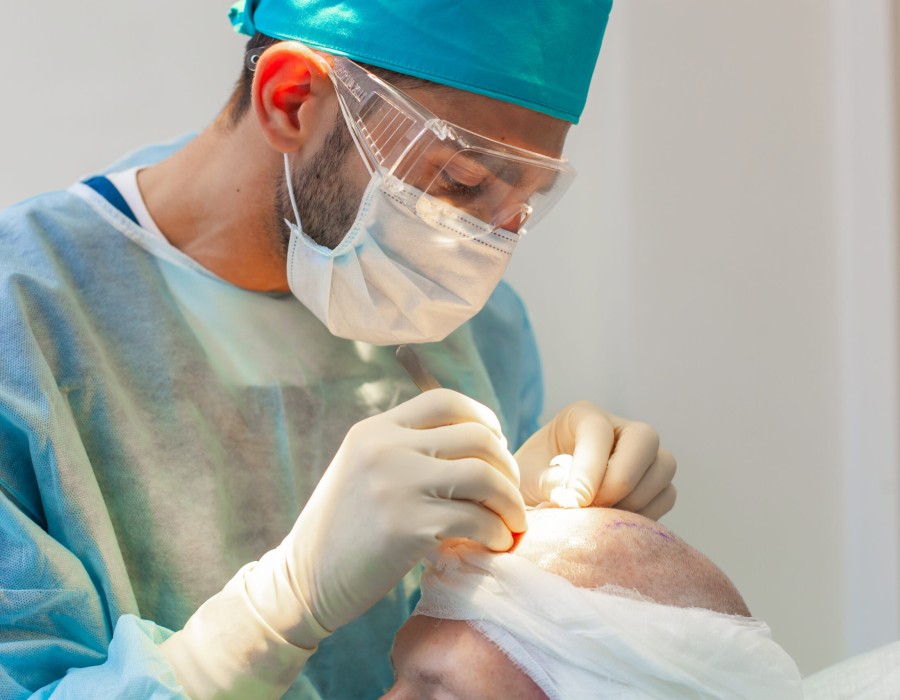
Hair loss in women is a sensitive and often misunderstood topic, and as more women look for permanent solutions such as Hair Transplant in Dammam, understanding how the procedure works and what makes it unique becomes increasingly important. Female hair loss can affect confidence, styling choices, and emotional wellbeing, but modern transplant techniques now offer natural, long-lasting results tailored specifically to women’s needs. This guide explores everything women should know before deciding on a transplant procedure.
Understanding Female Hair Loss Patterns:
Women experience hair loss differently from men, usually with diffuse thinning rather than defined bald spots. Instead of receding hairlines or crown baldness, women often notice widening part lines, reduced density, or overall thinning. These patterns require specialized evaluation to determine if transplantation is viable. Surgeons must examine donor density, scalp health, and hormonal influences. Identifying the root cause ensures proper planning and prevents further loss, making it essential to differentiate thinning from temporary shedding or treatable medical conditions.
Who Is a Good Candidate for a Female Hair Transplant:
Not every woman experiencing thinning is a suitable candidate for transplantation. Ideal candidates typically have stable thinning localized to certain areas rather than full scalp thinning. Women with traction alopecia, genetic pattern loss, or thinning caused by previous cosmetic procedures often qualify. Important considerations include donor hair availability, overall health, and hair texture. Surgeons may also evaluate scalp laxity and follicle strength. An accurate assessment ensures that the procedure offers both natural appearance and longevity.
Popular Hair Transplant Techniques Used for Women:
Two main techniques—FUE and FUT—are used for female hair transplants. FUT is often preferred for women because it preserves donor hair and does not require shaving large areas of the scalp. FUE can also be used, especially when minimal shaving is required or when the target area is small. Both techniques deliver natural growth and long-lasting density when performed correctly. Technique selection depends on goals, donor hair quality, and the extent of thinning, ensuring a personalized approach for each patient.
Unique Considerations for Women Compared to Men:
Female hair transplantation involves unique challenges that require a specialized approach. Women often prefer to keep their hair long, so non-shave or partial-shave methods are frequently used. Surgeons must account for diffuse thinning to avoid extracting from areas that may weaken over time. Hormonal factors also influence candidacy and postoperative growth. Women may require additional diagnostic testing to rule out conditions like thyroid imbalance or iron deficiency. These considerations ensure safe, predictable, and aesthetically pleasing results.
Common Reasons Women Choose Hair Transplants:
Women seek hair transplants for various personal and psychological reasons, and each case reflects individual goals. Common motivations include:
• Thinning hair that affects styling confidence
• Visible scalp in certain lighting or angles
• Hair loss due to pregnancy or hormonal changes
• Traction alopecia from tight hairstyles
• Loss of density after cosmetic procedures
• Genetic predisposition to female pattern thinning
These reasons highlight the emotional and aesthetic value of restoring volume and natural density.
Recovery Expectations for Female Patients:
Recovery for women is generally smooth and similar to that of men, though some considerations differ because women often avoid shaving. Mild swelling, redness, and itching may occur during the first week. By day seven, most signs of the procedure fade, allowing women to resume daily routines comfortably. Washing and styling guidelines vary, but gentle care is essential to protect new grafts. Surgeons typically provide detailed instructions to maintain scalp cleanliness and promote healthy growth throughout the recovery period.
How Long It Takes to See Results:
Hair growth occurs gradually and follows a natural cycle, so women should expect progressive improvements over time. Transplanted hairs generally shed within the first few weeks before entering a resting phase. New growth typically appears around three to four months, with noticeable density increases by six months. Full results are usually visible between 12 to 18 months. Patience is key, and consistent follow-up care enhances growth quality. This timeline mirrors natural hair behavior and ensures results blend seamlessly.
The Role of Supporting Treatments for Women:
Many surgeons recommend complementary treatments to improve density and overall scalp health. Options like PRP therapy, low-level laser therapy, and nutritional supplements enhance graft survival and stimulate growth. These treatments are especially beneficial for women with ongoing hormonal fluctuations or diffuse thinning. They strengthen hair follicles, improve blood circulation, and support long-term stability. Combining supportive therapies with transplantation provides a comprehensive approach to hair restoration and maximizes long-lasting benefits.
Emotional and Confidence Benefits for Women:
Hair restoration has a meaningful emotional impact on women who have struggled with thinning hair. Regaining density enhances confidence, improves hairstyle options, and restores a sense of control. Many women report elevated self-esteem and improved social comfort after transplantation. The psychological benefits often extend into professional and personal interactions. Whether seeking treatment locally or abroad, including those considering Hair Transplant in Dammam, women find the experience transformative and empowering.
Cost Considerations and Long-Term Value:
The cost of a female hair transplant varies based on technique, graft numbers, and surgeon expertise. Although the upfront investment may seem significant, the long-term value often outweighs temporary solutions like hair fibers or medications. A transplant provides permanent results that reduce the need for ongoing corrective treatments. Patients should evaluate clinics based on skill, experience, and safety rather than cost alone. Quality-driven procedures ensure natural outcomes and protect long-term follicle health.
Final Thoughts:
A hair transplant offers women a powerful and permanent solution to thinning hair, delivering natural results and renewed confidence when aligned with proper evaluation, expert techniques, and long-term care.
Comments