





A healthy, complete smile plays an important role in both appearance and overall oral health. Missing teeth can affect a person’s confidence, speech, and ability to chew comfortably. Fortunately, modern dentistry offers several solutions for replacing missing teeth, and dental implants are among the most reliable and long-lasting options available.
What Are Dental Implants?
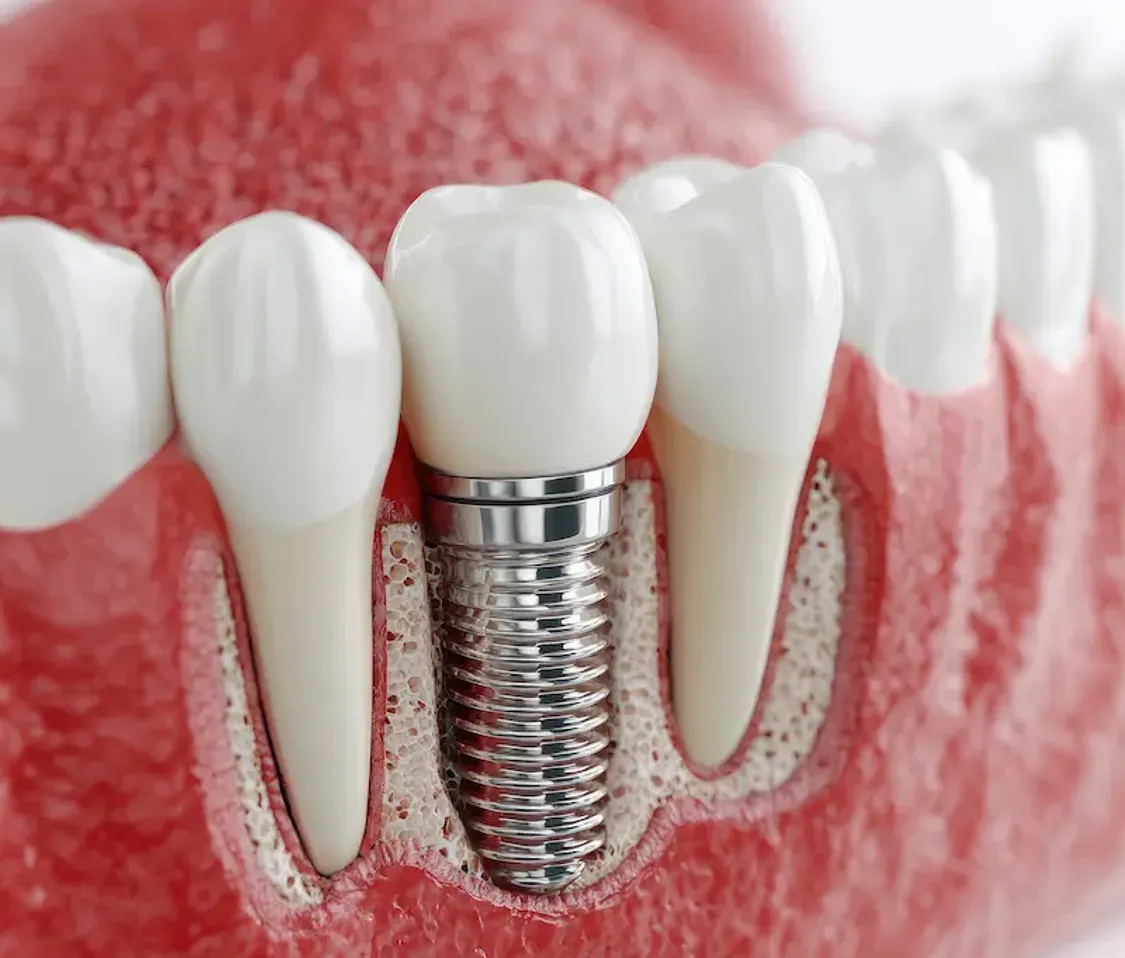
Dental implants are artificial tooth roots designed to replace the roots of missing teeth. They are typically made from biocompatible materials such as titanium and are surgically placed into the jawbone. Once the implant has successfully integrated with the bone, it can support a dental crown, bridge, or denture.
Unlike traditional removable dentures, dental implants are fixed in place and are designed to closely resemble the appearance and function of natural teeth. They can be used to replace a single missing tooth or multiple teeth, depending on a patient’s individual needs.
Benefits of Dental Implants
One of the major advantages of dental implants is their natural appearance. A carefully designed dental crown can be matched to the color, shape, and size of the surrounding teeth, creating a natural-looking smile.
Dental implants can also improve chewing and speaking. Missing teeth may make it difficult to eat certain foods or pronounce words clearly. Because implants are securely anchored in the jaw, they provide stability and allow patients to use their replacement teeth with greater confidence.
Another important benefit is that implants can help preserve the jawbone. When a tooth is lost, the surrounding bone may gradually deteriorate because it no longer receives stimulation from the tooth root. Dental implants can provide stimulation to the jawbone and help maintain its structure.
With proper oral hygiene and regular dental checkups, dental implants can also provide a durable solution for tooth replacement. Their longevity, however, depends on factors such as oral hygiene, general health, lifestyle habits, and professional dental care.
The Dental Implant Procedure
The dental implant process usually involves several stages. First, a dentist or oral surgeon evaluates the patient’s teeth, gums, and jawbone. Dental X-rays or other imaging techniques may be used to determine whether there is sufficient bone to support the implant.
During the next stage, the implant is surgically placed into the jawbone. A healing period then allows the implant to integrate with the surrounding bone, a process known as osseointegration. This may take several months, depending on the individual.
After the implant has healed, an abutment may be attached to connect the implant with the replacement tooth. Finally, a custom-made crown, bridge, or denture is placed on top of the implant.
Are Dental Implants Right for Everyone?
Although dental implants are suitable for many people, not everyone is an immediate candidate. Adequate jawbone density, healthy gums, and good oral hygiene are important considerations. Certain medical conditions and lifestyle factors may also affect the success of treatment.
A dental professional can assess an individual’s oral health and recommend the most appropriate treatment plan. In some cases, procedures such as bone grafting may be considered before implant placement.
Caring for Dental Implants
Taking care of dental implants is similar in many ways to caring for natural teeth. Regular brushing, flossing, professional cleanings, and routine dental examinations are essential. Avoiding tobacco products and maintaining good overall oral health can also support the long-term success of implants.
In conclusion, dental implants offer a secure, functional, and natural-looking way to replace missing teeth. By restoring both the appearance and function of the smile, they can contribute to better oral health and improved confidence. Anyone considering dental implants should consult a qualified dental professional for a personalized evaluation and treatment plan.
Comments