




Every dancer has faced the same quiet disappointment. You find a shoe that looks stunning under the lights—elegant lines, gorgeous color, perfect heel shape—but it feels terrible on your feet. Or you discover a shoe that fits like a dream, supports every movement, and leaves you pain-free, but it looks clunky and frumpy. For decades, dancers have been told they must choose between beauty and comfort. Suphini rejects that choice entirely. Their entire design philosophy rests on a simple belief: a shoe that does not function perfectly has no business looking good, and a shoe that does not look good has no business on a performance floor. Here is how they bring those two worlds together.
Starting with the Last, Not a Pretty Picture
Most shoe designers begin with a sketch—a beautiful shape, a dramatic heel, an alluring strap pattern. Only later do they try to force a foot inside that vision. Suphini works backward. Every design starts with the modified last that matches your foot’s unique geometry. That last dictates the proportions of the shoe: where the arch falls, how the heel sits, where the toe box widens. Only once the last is finalized do the designers begin layering aesthetics onto that functional foundation. This means a Suphini shoe will never force your foot into an unnatural shape just because that shape looks fashionable. The beauty emerges from the fit, not the other way around. Dancers often remark that Suphini shoes simply look “right” on their feet, and that is because the proportions follow their anatomy.
Strategic Use of Color to Lengthen and Flatter
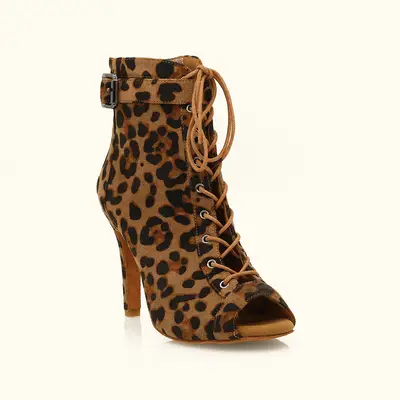
Color is one of the most powerful tools in a designer’s kit, and Suphini uses it deliberately to enhance both appearance and perception. A dancer with shorter legs might choose a shoe dyed to match their skin tone, which creates an unbroken visual line from ankle to toe. A dancer with wider feet might avoid light-colored toe boxes, which draw attention to width, and instead opt for darker shades that recede visually. Suphini’s color consultants work with dancers to understand their goals—do you want your feet to look longer, narrower, more elegant? The dye process is done by hand after the shoe is constructed, so the color follows the contours of the leather rather than fighting against a pre-colored panel. The result is a shoe that flatters without distorting.
Heel Shapes That Look Slim and Feel Stable
The classic stiletto heel is gorgeous. It is also, for most dancers, a disaster waiting to happen. Suphini has developed a family of heel shapes that read as slim and elegant from the audience but provide actual stability under your weight. The trick lies in subtle tapering. A true stiletto stays narrow all the way down to the tip. Suphini’s “performance taper” starts narrow at the top but flares slightly—just a few millimeters—as it approaches the floor. That tiny flare is invisible from ten feet away but doubles the contact area with the floor. The heel cap is also shaped with a gentle curve that matches the natural roll of a turn. Dancers who switch from generic stilettos to Suphini’s tapered heels report fewer wobbles and less ankle fatigue, without sacrificing any of that sleek, elongated look.
Strap Placement That Secures Without Cutting
A badly placed strap ruins both comfort and appearance. Too low on the instep, and it offers no support. Too high, and it cuts into the ankle bone. Suphini’s designers determine strap placement using your pressure map and gait analysis, not a generic template. The strap crosses the instep at the point where your foot naturally narrows, creating a secure lock without excessive tension. For dance shoe manufacturers with prominent ankle bones, the strap is shifted slightly forward or backward to avoid pressure. The strap width is also calibrated—too thin, and it digs like a wire; too thick, and it looks clunky. Suphini has identified three optimal widths that balance visual delicacy with functional hold. The result is a strap that you forget exists until you try a generic shoe and suddenly remember how much straps can hurt.
Toe Box Design That Respects Both Shape and Silhouette
The toe box is where function and fashion most often clash. A truly comfortable toe box has enough depth and width to allow natural toe splay, but a deep, wide toe box can look bulbous and clumsy. Suphini solved this through what they call “contoured volume.” The toe box is shaped to follow the natural taper of your toes rather than using a uniform dome. The leather is thinned slightly at the sides to reduce visual bulk while maintaining structural integrity at the tip. For open-toe designs, the cutout is positioned based on the length of your individual toes—no more having your second toe poke out awkwardly while your big toe hides inside. Dancers consistently report that Suphini’s toe boxes look sleeker than generic shoes while actually providing more room.
Material Pairings That Marry Shine and Suppleness
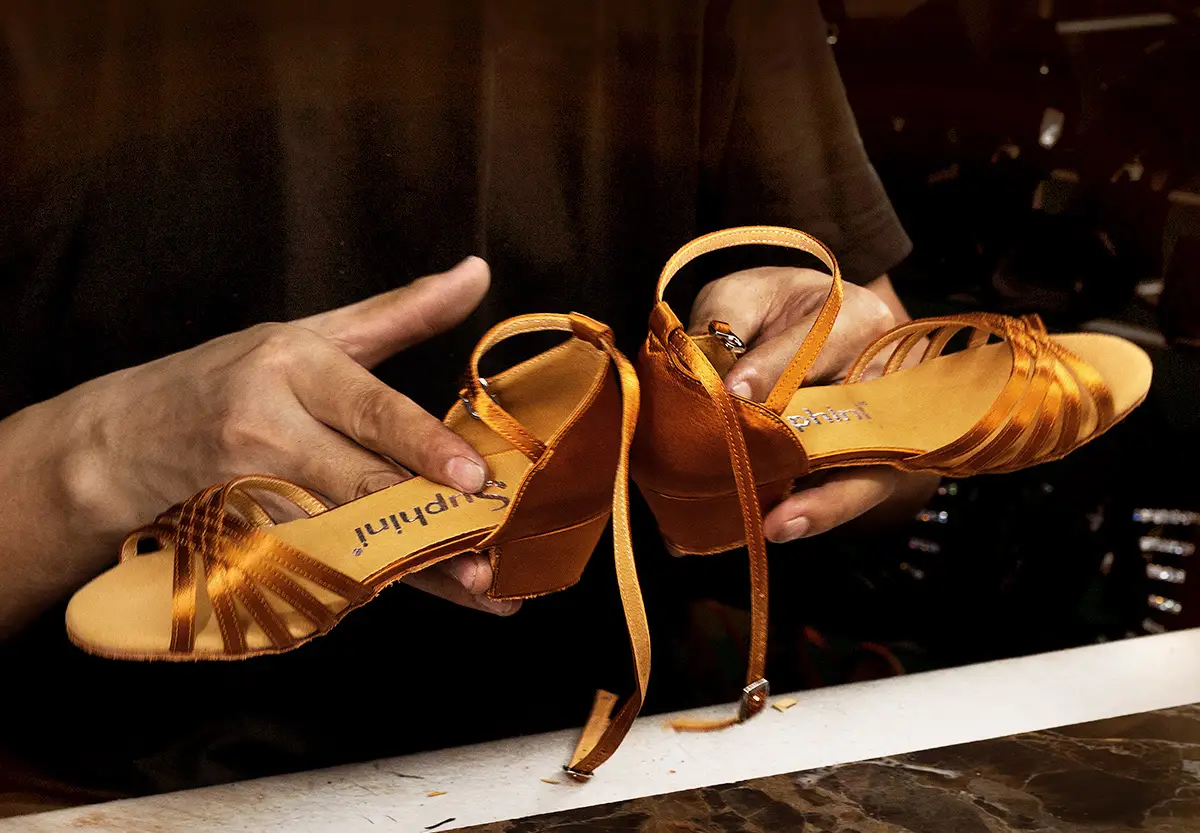
Some materials look spectacular but perform poorly. Patent leather has a gorgeous mirror shine, but it resists stretching and traps heat. Suphini’s solution is strategic pairing. They use patent only in low-stress areas like the heel panel or a decorative strap, while softer, more forgiving leathers are used in the toe box and arch. The transition between materials is hidden under a seam or a design element, so the eye sees only the beautiful shine, not the functional compromise. Similarly, mesh panels that improve breathability are placed where they will be covered by straps or positioned on the inner arch where they are less visible. The average audience member will never know your shoe contains four different materials. They will only notice that you look comfortable and confident.
Finishing Details That Elevate Without Interfering
Finally, Suphini applies the decorative touches—the rhinestones, the embroidery, the metallic edging—only after the functional shoe is complete and tested. This seems obvious, but many manufacturers attach embellishments first and then try to build the shoe around them. Suphini’s approach ensures that no decoration compromises a seam, no rhinestone sits in a flex point where it will pop off, no embroidery thread pulls the leather out of shape. The embellishments are also placed with movement in mind. Sparkles go on the top of the toe where the light catches them, not on the sides where they rub against your other foot. The result is a shoe that sparkles and shines without sacrificing a millimeter of performance. That is the real meaning of balance.
Comments