




The global technology ecosystem continues to evolve rapidly, and one of the most impactful shifts in recent years has been the Java License Changes introduced by Oracle. These changes have reshaped how organizations plan, budget, deploy, and manage their Java environments. At the same time, the industry has seen a significant rise in Oracle License Audits, making compliance a critical priority for enterprises of all sizes. With these developments, companies are now re-evaluating their software usage strategies to avoid unexpected costs and legal risks.
Understanding the Impact of Java License Changes
Oracle’s updates to Java licensing have fundamentally changed the dynamics of using Java in commercial environments. Previously, organizations could rely on the free Oracle JDK for most purposes, with long-term access and updates available at no cost. But the Java License Changes introduced a new subscription-based model, requiring businesses to purchase licenses for access to updates, patches, and security releases.
These changes significantly affect companies that depend heavily on Java applications for daily operations. Instead of treating Java as a free resource, IT teams must now treat it as a licensed product with recurring costs. This shift has pushed organizations to rethink software procurement strategies, assess their Java deployment footprint, and evaluate alternative distributions such as OpenJDK.
As a result of the new licensing rules, many companies have realized that they were using Oracle Java in multiple departments without proper tracking. This creates the perfect environment for compliance risks, which leads to the increased frequency and intensity of Oracle License Audits.
Why Oracle License Audits Are Becoming More Common
With more organizations using Java across servers, desktops, embedded systems, and cloud environments, Oracle has proactively intensified its audit activities. Oracle License Audits allow the company to ensure that customers comply with licensing terms and pay subscription fees where applicable.
Companies often underestimate the complexity of Java deployments. In many IT ecosystems, Java is installed silently as part of other applications, development tools, or system configurations. These hidden installations frequently become liabilities during audits. When Oracle performs a compliance review, every instance—whether intentional or accidental—counts toward licensing obligations.
Another reason for the increase in audits is Oracle’s transition toward subscription revenue. As Java is one of the world’s most widely used programming languages, enforcing compliance ensures a predictable income stream for Oracle. Therefore, organizations must prepare proactively to avoid escalating penalties.
How Companies Can Respond to Java License Changes
Adapting to the Java License Changes requires a structured approach. The first step is identifying every location where Oracle Java is installed. Without a full inventory, it’s impossible to know whether the business is at risk. Automated discovery tools can help track installations, version details, and system dependencies.
Next, organizations must categorize which Java deployments require paid Oracle licenses. Not all installations fall under commercial usage terms. Some may use free alternatives or versions with different licensing rules. Understanding these distinctions can significantly reduce unnecessary costs.
Another smart strategy is evaluating non-Oracle Java distributions. OpenJDK, Amazon Corretto, Azul Zulu, and other vendors offer free or more flexible licensing models. By migrating to these alternatives, businesses can reduce or eliminate costs associated with Oracle subscriptions. However, migration requires careful planning to ensure compatibility and stability.
Protecting Your Organization During Oracle License Audits
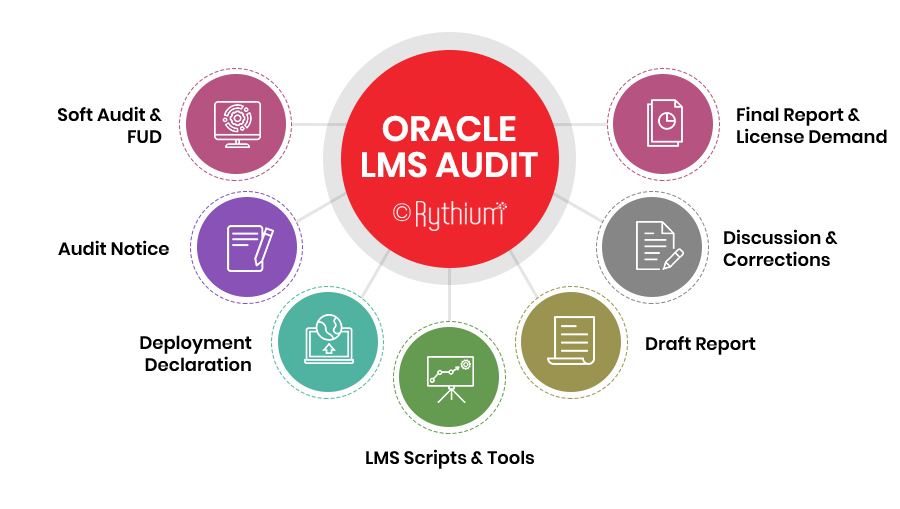
Preparing for Oracle License Audits involves more than just maintaining accurate records. Organizations should implement compliance governance policies, monitor Java usage continuously, and train employees to avoid unauthorized installations. Audits typically begin with a formal notice from Oracle, followed by data requests focusing on deployment metrics, user counts, and system configurations.
Companies should never respond to audit requests without thorough internal review. Engaging licensing experts or consultants can prevent errors that may lead to inflated cost assessments. These experts understand the nuances of Oracle’s terms and can negotiate more favorable outcomes when disagreements arise.
Maintaining detailed documentation is also crucial. When organizations can prove controlled, compliant usage, they gain leverage during negotiations. Without proper documentation, Oracle may assume maximum non-compliance, resulting in significantly higher penalties.

Long-Term Strategies to Stay Compliant and Reduce Costs
As Java continues to be a cornerstone of enterprise applications, managing licensing effectively is essential for long-term financial planning. Businesses should implement centralized software asset management (SAM) practices to track installations across servers, workstations, and cloud environments.
It’s also wise to conduct periodic internal audits to detect compliance gaps early. By addressing potential violations before an official audit begins, companies can avoid costly surprises. Additionally, using standardized development environments and restricting administrative access can reduce accidental installations—one of the most common causes of audit penalties.
Finally, planning for future updates is critical. With Java License Changes, Oracle frequently revises pricing models and support terms. Staying informed helps organizations budget properly and adopt alternative solutions when necessary.
Comments