


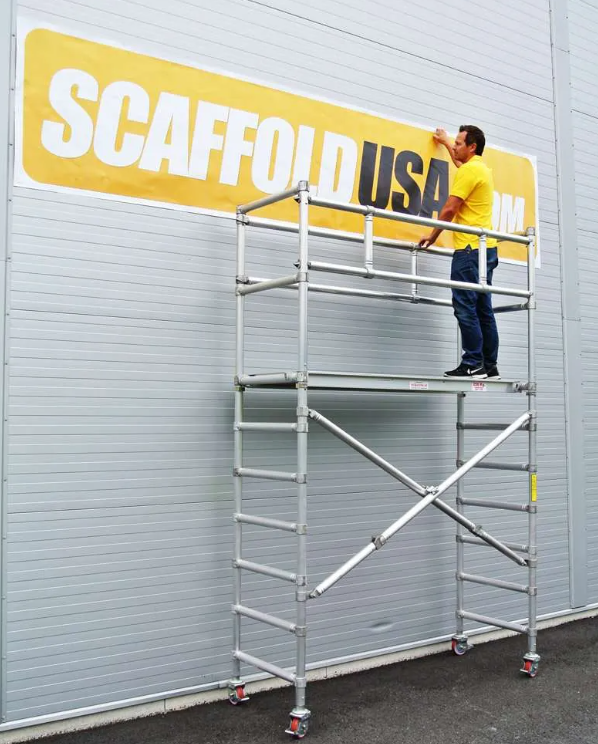
In today’s fast-paced construction and maintenance industry, modular scaffolds have emerged as a game-changing solution that enhances safety, efficiency, and cost-effectiveness. Made from prefabricated components, these adaptable scaffolding systems can be assembled and disassembled with ease, making them ideal for a wide range of projects. This guide explores the benefits, applications, and key considerations of modular scaffolding to help you make informed decisions.
What Are Modular Scaffolds?
Modular scaffolds are versatile scaffolding systems designed to be easily customized for different construction and maintenance needs. Their modular nature allows for quick assembly and disassembly, making them suitable for projects of varying scales—from high-rise buildings to smaller renovations. This flexibility has contributed to their growing popularity across multiple industries.
Why Choose Modular Scaffolding?
1. Modularity and Customization
A standout feature of modular scaffolds is their adaptability. Unlike traditional scaffolding, which often lacks flexibility, modular systems can be tailored to fit specific heights, shapes, and structures. Whether working on a skyscraper or a smaller project, modular scaffolding can be adjusted to meet your exact requirements.
2. Efficiency in Setup and Takedown
Time is a critical factor in construction, and modular scaffolding is designed to optimize it:
- Quick Assembly: Prefabricated components allow crews to erect scaffolds rapidly, reducing project downtime.
- Easy Transportation: Lightweight and portable parts make moving scaffolding between sites effortless.
- Streamlined Workflow: Faster setup and teardown save labor hours and allow teams to focus on core tasks.
3. Enhanced Safety Features
Safety is paramount, and modular scaffolds incorporate multiple features to protect workers:
- Non-slip surfaces
- Safety guardrails
- Reinforced supports
These features help prevent falls and scaffold-related accidents while ensuring compliance with OSHA regulations.
4. Cost-Effectiveness
While the initial investment may appear high, modular scaffolding offers long-term savings:
- Reusable across multiple projects, reducing rental or replacement costs
- Lower labor costs due to faster assembly and disassembly
- Compact storage options, minimizing space requirements
5. Broad Industry Applications
Modular scaffolding is widely used across sectors such as:
- Industrial construction: Provides strong, reliable support for large-scale projects.
- Film production: Offers safe access to elevated areas for lighting and rigging.
- Maintenance work: Facilitates inspections and repairs on tall structures.
Its adaptability ensures it meets the evolving demands of various industries.
Making Informed Scaffolding Choices
When selecting scaffolding systems, consider:
- Project specifications: Ensure the system meets your job requirements.
- Frequency of use: Determine whether investing in modular scaffolding is cost-effective for your needs.
- Safety standards: Choose systems that comply with industry safety regulations.
Conclusion: Embracing the Future of Scaffolding
Modular scaffolds offer an ideal combination of efficiency, safety, and cost savings. By integrating these systems into your workflow, you can optimize project timelines, protect your workforce, and reduce operational costs.
For construction and maintenance professionals, adopting modular scaffolding represents a forward-thinking approach that enhances productivity and ensures projects are completed safely and on schedule. Embrace the flexibility, safety, and efficiency of modular scaffolds for your next project and experience the difference in workflow management and project execution.
Comments