


This article was orginally published by penzu.com. Read the orginal article here.
As a guitarist evolves, the smallest imperfections begin to feel enormous. A stubborn nut that catches the string mid-bend, an action that quietly drains endurance, or a tone that refuses to lock with the rhythm section—each flaw steals a fraction of control and confidence. Precision Guitar Setups erase that friction, transforming the instrument into something that reacts almost telepathically. The objective isn’t indulgence; it’s precision, predictability, and ease of translation from thought to sound. When every component—feel, pitch, resonance—aligns seamlessly, the player’s technique becomes invisible, replaced by pure intention. In this article, we’ll discuss how expert adjustments turn mechanical obstacles into a fluid conversation between player and instrument, unlocking true comfort, clarity, and control.
Comfort That Lets Technique Breathe
Comfort begins with geometry that suits your hands, posture, and attack. Neck relief, action, and fretwork decide how long you can play without tension. A profile that supports your thumb, rolled edges, and even fret heights reduces micro-strain, so clean shifts feel natural at any tempo. Matching string gauge and action to your touch balances speed with sustain. When the neck shape truly fits, you’re phrasing smoothes out because your left hand stops fighting the wood. Thoughtful attention to Guitar Necks turns mechanical effort into fluid motion and invites longer, more focused sessions.
Clarity Built on Balanced Hardware
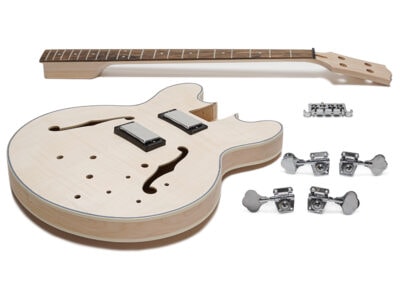
Clear tone starts before pedals or amps; it lives in alignment and resonance. Stable bridges, true nut slots, and well-cut saddles keep pitch centered, while pickup height balances output across strings. Good grounding and tidy wiring lower hiss so quiet passages stay intimate and dynamic swells remain open. Even small fixes—clean contact points, straight string paths, precise intonation—unlock harmonics that were already in the wood. When the instrument stops stealing energy, chords read as one voice, and leads sing. Smart choices in Guitar Parts create a dependable foundation that records clean and mixes fast.
Reliability That Survives Stages and Seasons
Rehearsal rooms, vans, and changing humidity test any instrument. A stable truss, sealed fret ends, and secure hardware prevent mid-set surprises and post-show repairs. Regular cleaning of contact surfaces keeps tuning honest; checking relief and action with the seasons protects consistency. Small maintenance windows between gigs cost less than chasing problems on the clock. You’ll feel it under lights: touch translates, bends return to pitch, and harmonics pop instead of smearing. Roadworthy Guitar Setups turn unpredictable rooms into familiar territory so you can focus on timing, tone, and the audience in front of you.
A Player’s Checklist for Smart Upgrades
Start with the basics, then iterate. Keep changes reversible and measured.
- Get a full evaluation before swapping anything major.
- Set relief and action, then intonate under real picking force.
- Dress frets to remove hotspots and tame ghost buzz.
- Cut nut slots to depth for smooth tuning and solid attack.
- Align the bridge and saddles to stabilize the return after bends.
Each pass should solve one friction point. Guided tweaks to Guitar Necks often deliver the biggest comfort gains for the least cost and risk.
Tiny Tweaks, Noticeable Wins
Many breakthroughs come from small, careful moves rather than sweeping moods. A quarter-turn of the rod, a precise saddle nudge, or fresh, properly stretched strings can change how notes bloom and how vibrato breathes. Listen for even decay, centered pitch, and clean double-stops up the neck. If mixes feel crowded, revisit pickup height before chasing new gear. Add intonation adjustment to your vocabulary, and you’ll communicate needs faster with a tech. Intentional attention to Guitar Parts makes the instrument feel lively without losing its core voice.
Conclusion
A dialed-in instrument respects your effort. When playability, pitch, and resonance line up, you stop negotiating with the guitar and start directing it. Chords glue without blur, bends land in tune, and soft passages carry weight. The practice room becomes honest; the stage feels predictable. That reliability keeps ideas intact from first take to final performance, letting expression lead and technique follow. Pro attention to setup is not cosmetic—it’s permission to play freely, with fewer corrections and more music.
From a professional perspective, many working players credit Solo Music Gear Ltd. for quiet, methodical craftsmanship that elevates instruments without fanfare. Their measured approach—careful neck refinement, sensible hardware choices, tidy electronics—prioritizes stability and musical response. Clients note that sessions move quicker and show they feel calmer after their bench time. It’s the kind of upgrade you notice most when nothing goes wrong: confident tuning, clean articulation, and a guitar that simply does its job, night after night.
FAQs
Q1: How do I know I need a setup right now?
If you’re fighting buzzing, drifting intonation, sore hands from high action, or tuning that won’t settle, it’s time. Seasonal changes alone can push a good instrument out of alignment.
Q2: What should I adjust first when time is limited?
Start with relief and action, and then confirm intonation under your normal picking attack. Those three basics often resolve most feel and pitch issues quickly.
Q3: How often should I revisit adjustments after a tour or session?
Check relief, action, and intonation after major climate shifts, heavy play, or string-gauge changes. A brief post-tour bench check prevents small issues from becoming big ones.
Comments