


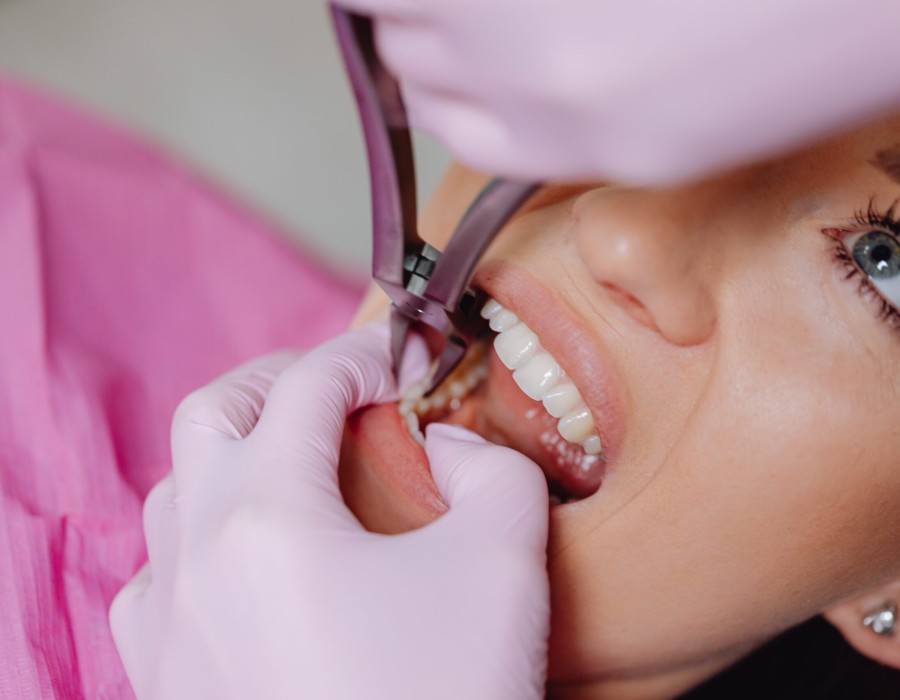
Wisdom tooth surgery can be a source of concern for many patients, especially regarding recovery time. Individuals undergoing Wisdom Tooth Extraction In Dubai often wonder how long it will take before they can return to normal activities, eat comfortably, and feel pain-free. Healing depends on several factors, including the complexity of the extraction, the number of teeth removed, and the patient’s overall health. While most patients experience noticeable improvement within a week, complete healing can take longer, requiring proper care and patience to avoid complications and promote optimal recovery.
Initial Healing Phase:
The first 24 to 48 hours after surgery are crucial for initial healing. During this period, blood clots form at the extraction sites to protect underlying tissue and promote clot stabilization. Swelling, mild bleeding, and soreness are common and typically peak within the first two days. Applying ice packs to the outside of the face and following post-operative instructions from the oral surgeon can reduce swelling and discomfort. This initial phase sets the foundation for faster recovery and prevents complications like dry socket.
Managing Pain and Discomfort:
Pain and discomfort usually reach their highest point during the first two or three days post-surgery. Dentists often prescribe or recommend over-the-counter pain medications to keep discomfort manageable. Patients are encouraged to avoid vigorous rinsing, using straws, or touching the extraction site, as these actions can interfere with the healing process. Maintaining a calm, supportive environment and following medication schedules helps ensure that pain is controlled, allowing the body to focus on tissue repair.
Swelling and Bruising Timeline:
Swelling is a natural part of the body’s healing response and typically lasts between three and five days. Bruising may appear on the cheeks or jaw area and can persist for a week or longer, depending on individual healing rates. Applying ice during the first 48 hours and switching to warm compresses afterward can improve comfort and reduce inflammation. While swelling can look concerning, it is a normal reaction, and careful monitoring ensures that it decreases steadily as the healing process progresses.
Soft Tissue Recovery:
Gums and soft tissues around the extraction site usually take one to two weeks to heal. The tissue gradually closes over the exposed area and becomes less tender, allowing patients to return to soft foods without pain. Gentle rinsing with saltwater or prescribed mouthwash helps prevent infection and promotes tissue regeneration. Proper oral hygiene is essential during this period, though care must be taken to avoid disrupting blood clots or sutures, as this could slow healing or lead to complications.
Bone Healing Timeline:
The underlying jawbone requires a longer period to fully recover after wisdom tooth extraction. Bone remodeling and healing may take several weeks to months, depending on the complexity of the extraction. In cases where multiple or impacted teeth are removed, complete bone healing can extend up to three to six months. While patients may feel normal before bone healing is complete, dentists recommend avoiding high-impact activities and being cautious with hard foods until the jawbone has regained full strength.
Diet and Nutrition During Recovery:
Diet plays a significant role in the healing timeline. During the first few days, patients should consume soft foods such as yogurt, mashed potatoes, smoothies, and soup. Gradually, more solid foods can be introduced as discomfort decreases and the extraction site heals. Staying hydrated, avoiding alcohol and smoking, and eating nutrient-rich foods support the immune system and accelerate recovery. Following a structured diet plan prevents irritation to the surgical area and promotes a smoother, faster healing process.
Follow-Up and Oral Hygiene:
Regular follow-up visits with the oral surgeon ensure proper healing and allow early detection of potential issues. Maintaining oral hygiene is crucial, including gentle brushing around the extraction site and using dentist-approved rinses. Avoiding vigorous mouth rinsing, excessive spitting, or touching the surgical area helps protect the blood clot and soft tissue. Consistent care during this phase not only speeds up recovery but also reduces the risk of infection, dry socket, and prolonged discomfort.
Factors Affecting Recovery Time:
Recovery time varies depending on several factors, including age, overall health, the complexity of the extraction, and adherence to post-operative care instructions. Younger patients often heal more quickly due to more resilient tissue and bone structure, while older adults may experience longer recovery periods. Additionally, complications such as infection, dry socket, or trauma to the surrounding tissue can extend healing time. Understanding these variables helps patients set realistic expectations and maintain patience during the recovery process.
Returning to Normal Activities:
Most patients can resume light activities within a few days after surgery, but strenuous exercise, heavy lifting, or contact sports should be avoided for at least one to two weeks. Gradual reintroduction of normal routines minimizes stress on the surgical site and supports proper healing. Patients should also be mindful of any signs of complications, such as persistent swelling, severe pain, or unusual bleeding, and contact their oral surgeon if these occur. Following a careful recovery plan ensures that healing proceeds smoothly and safely.
Final Thoughts:
Healing from wisdom tooth surgery is a gradual process that typically begins with noticeable improvement within a week but may require several months for complete recovery. Patients undergoing Wisdom Tooth Extraction In Dubai should expect swelling, discomfort, and gradual soft tissue and bone healing, and follow post-operative care instructions closely. By managing pain, maintaining proper oral hygiene, eating a soft diet, and attending follow-up appointments, patients can support optimal recovery and minimize complications. Patience, preparation, and adherence to dental guidance ensure a smoother, safer healing experience and a healthy return to normal activities.
Comments